We Use Cookies 🍪
We Use Cookies And Other Similar Technologies To Improve Your Browsing Experience And The Functionality Of Our Site. Learn More In Our Privacy Policy.

Ranking List of Manufacturers in the Baby Clothing (0-24 Months) Industry

Last Updated: April 08, 2026


Welcome to the Global Baby Clothing (0-24 Months) Industry Manufacturer Ranking List, published by Verity Rank.

When you see an affordable baby bodysuit on the shelf, what truly determines its safety, softness, and value isn't just the brand label—it's the hands behind it. These are the global manufacturing giants operating out of the spotlight: the "powerhouses" behind the brands and the "hidden champions" of the supply chain. From cotton cultivation to finished garments, the real competitive edge is built into every millimeter of precision in spinning, weaving, dyeing, and cutting.
In this arena, some manufacturers build their moat through vertical integration. Shenzhou International, for instance, controls the entire chain from yarn to a finished Gap bodysuit, compelling Nike and Uniqlo to line up for its production capacity. Others, like India's Kitex, dominate through sheer scale, producing hundreds of thousands of units daily to stock American shelves for Carter's and Walmart. Then there are innovators like Goodbaby, holding nearly 10,000 patents to weave space-grade antibacterial and PCM temperature-regulating materials into babywear.
But who is the truly reliable long-term partner? Whose production lines can withstand the scrutiny of an ESG audit? Whose "quick response" is a genuine capability, and whose capacity planning can navigate geopolitical risks?
This ranking cuts through the brand façade to reveal the manufacturing core. We have integrated global customs trade data, public financial reports, supply chain audit documents from international brands, third-party ESG ratings, and authoritative industry certifications. We decode the world's leading infant clothing manufacturers against the same criteria across four key dimensions: Production Capacity, Technology Barrier, Compliance Capability, and Client Portfolio.
This analysis will reveal: Between India's twin titans, Kitex and Jay Jay Mills, who truly excels in high-stakes categories like flame-resistant sleepwear? Following the Gildan acquisition, how will Hanesbrands' prized "70% self-owned production" affect its bargaining power? What makes Eclat, with its Gore-Tex expertise in high-end fabrics, the hidden driver behind premium baby bodysuits? As Labibaby faces criticism for "outdated designs" from its Shantou base, can it maintain its channel dominance in South China?
We don't sign the contracts for you; we simply lay all the cards on the table regarding the industry's foundational players.
Disclaimer: The data in this ranking is compiled from third-party authoritative sources, including national customs import/export databases, industry reports from university supply chain research institutions, AI-driven global capacity monitoring, and publicly listed company financial reports. The rankings are based on a multi-dimensional algorithm model and are intended for reference and procurement decision assistance only. They do not constitute direct investment advice or corporate endorsement.

Kitex Garments Ltd

Kitex Garments Limited, headquartered in Kerala, India, is a world-leading manufacturer of infant and children's apparel, with its core business focused on Kids & Baby Clothing, particularly babywear (7.1). As the world's second-largest producer of garments for ages 0-24 months, the company operates a vertically integrated model controlling the entire chain from cotton processing, spinning, and fabric manufacturing to finished garments. With a daily capacity of approximately 800,000 pieces and over 90% of its output exported to the U.S., it serves global giants like Carter's, Gerber, Walmart, and Target. In FY2025, revenue reached approximately ₹9.83 billion. With new facilities in Telangana coming online, Kitex is accelerating capacity expansion and promoting its own brand, Little Star, in the domestic market, solidifying its manufacturing leadership in global childrenswear.
Strengths: Kitex's core strengths lie in its ultimate vertically integrated supply chain, offering cost and quality advantages through full control from cotton to finished garments; as one of the world's largest producers of GOTS-certified organic cotton babywear, it has built technical barriers in non-toxic fabrics and eco-friendly manufacturing; its massive scale of 800,000 pieces daily makes it an irreplaceable strategic supplier for the U.S. children's market.
Weaknesses: Kitex's main weaknesses are its heavy reliance on the U.S. market (90% of revenue), exposing it to geopolitical and client order volatility; expansion-related depreciation and initial costs led to a Q3 2025 loss, straining profitability; as an OEM manufacturer, its own brand Little Star remains nascent with weak brand equity,hard to offset the cyclical risks of its core contract manufacturing business.
Kitex
Kitex
Brand Name
Kerala, India
Kerala, India
Address
1992
Founded
14K+
Number of Employees
15+ Countries
Business Scope
800K+ Pieces/Day
Baby Clothing Production Capacity
Official Website
Kids & Baby Clothing Industry
Infant Clothing Industry
Baby Bodysuits
Baby Rompers
Baby Onesies
Baby Sleep Sacks
Children's Everyday Wear Industry
Children's T-shirt
Children's Sweatshirt Industry
Children's Knitwear Industry
Functional Wear Industry
School Uniforms Industry
Children's Accessories Industry
Baby Sun Hat
Baby Bibs
Baby Head Wrap
Occasion-Specific Industry
Party Costume Industry
Holiday-themed Clothing Industry
Kids & Pet Textiles Industry
Organic Materials Industry
Kids & Baby Clothing Industry
Infant Clothing Industry
Baby Bodysuits
Baby Rompers
Baby Onesies
Baby Sleep Sacks
Children's Everyday Wear Industry
Children's T-shirt
Children's Sweatshirt Industry
Children's Knitwear Industry
Functional Wear Industry
School Uniforms Industry
Children's Accessories Industry
Baby Sun Hat
Baby Bibs
Baby Head Wrap
Occasion-Specific Industry
Party Costume Industry
Holiday-themed Clothing Industry
Kids & Pet Textiles Industry
Organic Materials Industry

Shenzhou International Group

Shenzhou International Group Holdings Limited is the "invisible champion" of global knitwear manufacturing, headquartered in Ningbo, Zhejiang, China. As a Hong Kong Stock Exchange-listed company (SEHK:02313), its core business focuses on Textile & Apparel categories including men's performance T-shirts, women's yoga wear, underwear, and loungewear, providing vertically integrated OEM/ODM services from fabric R&D, dyeing and finishing to garment sewing for global sportswear brands like Nike, Uniqlo, Adidas, and Puma. In 2025, Shenzhou achieved estimated revenue of RMB 32.5-34 billion, employing over 110,000 people across 13 large-scale integrated factories in Ningbo, Anhui, Vietnam, and Cambodia, producing approximately 550 million garments and 250,000 tons of fabric annually. Its top four clients contribute about 82% of revenue. Leveraging ultimate vertical integration efficiency and quick response capabilities, Shenzhou defines the manufacturing benchmark behind global brands.
Strengths: Shenzhou's core strength in Textile & Apparel lies in its extreme vertical integration model, controlling the entire value chain from fabric R&D, dyeing and finishing to garment sewing, building a triple moat of efficiency, quality, and cost in knitwear categories like performance T-shirts and yoga wear. Annual production scale of 550 million garments and 250,000 tons of fabric, combined with overseas capacity in Vietnam and Cambodia, makes it an irreplaceable core supplier for global brands like Nike and Uniqlo, with its share in client supply chains growing through shortened lead times and quick response capabilities.
Weaknesses: Shenzhou's main weaknesses stem from its business model's heavy reliance on its top four clients (Nike, Adidas, Uniqlo, Puma), with customer concentration reaching 82%, making performance highly susceptible to core brand order fluctuations. As a B2B manufacturer lacking end-consumer brand recognition, its gross margin is compressed by rising labor costs and initial depreciation of overseas new factories, slightly declining to 27.1% in H1 2025. It also faces uncertainty risks from cross-border raw material tariffs amid changing global trade environments.
Shenzhou
Shenzhou
Brand Name
Ningbo, Zhejiang Province, China
Address
2005
Founded
110K+
Number of Employees
3+ Countries
Core Production and Operation Countries
13+ Factory
Large-scale Integrated Production Base
Official Website
Men's Clothing Industry
Men's Tops Industry
Polo Shirt
Men's Knitted Top
Men's Casual Wear
Men's Sports T-shirt
Men's Sportswear Industry
Women's Clothing Industry
Women's Tops Industry
Women's Vest
Women's Knitted Top
Ladies' Sports T-shirt
Women's Activewear Industry
Yoga Wear
Intimates & Hosiery Industry
Women's Underwear Industry
Men's Underwear Industry
Sports Bra
Homewear
Loungewear & Sleepwear Industry Sustainable Fashion Industry
Loungewear Industry
Recycled Fabrics Industry
Men's Clothing Industry
Men's Tops Industry
Polo Shirt
Men's Knitted Top
Men's Casual Wear
Men's Sports T-shirt
Men's Sportswear Industry
Women's Clothing Industry
Women's Tops Industry
Women's Vest
Women's Knitted Top
Ladies' Sports T-shirt
Women's Activewear Industry
Yoga Wear
Intimates & Hosiery Industry
Women's Underwear Industry
Men's Underwear Industry
Sports Bra
Homewear
Loungewear & Sleepwear Industry Sustainable Fashion Industry
Loungewear Industry
Recycled Fabrics Industry

Jay Jay Mills (India) Private Limited

Jay Jay Mills (India) Private Limited, based in Tirupur, Tamil Nadu, is a world-leading vertically integrated knitwear manufacturer specializing in Kids & Baby Clothing, with babywear as its core. It controls the entire value chain from fiber to fashion, producing over 1 million garments daily for top global retailers like Walmart, Carter's, and Mothercare. With FY2025 revenue of ₹27.0 billion (~$322 million) and 30,000+ employees across facilities in India, Sri Lanka, Bangladesh, Ethiopia, and the USA, it leverages green manufacturing (100% renewable energy, GOTS certified) and digital innovation to maintain its leadership in the global children's apparel supply chain.
Strengths: Jay Jay Mills' core strengths lie in its fully vertically integrated supply chain from fiber to fashion, ensuring unparalleled control over cost, quality, and lead times. As a pioneer in GOTS-certified organic cotton and BCI cotton in India, its green facilities and sustainability credentials create high entry barriers for Western markets. With production bases across five countries, the company mitigates geopolitical and trade risks, while its massive scale—over 1 million garments daily—positions it as an irreplaceable strategic OEM/ODM partner for leading global children's brands.
Weaknesses: Jay Jay Mills' main weaknesses include its heavy reliance on the U.S. and European markets (over 90% of exports), exposing it to economic fluctuations and trade policy changes in these regions. Volatility in raw material prices and shipping costs continuously pressures profit margins. As a deep OEM/ODM player, the absence of its own consumer brand limits its bargaining power and leaves it vulnerable in the supply chain's value distribution.
Jay Jay Mills
Jay Jay Mills
Brand Name
Tirupur, Tamil Nadu, India
Address
1999
Founded
30K+
Number of Employees
5+ Countries
Business Scope
100K+ Pieces/Day
Production Capacity of All Clothing Products
Official Website
Kids & Baby Clothing Industry
Infant Clothing Industry
Baby Bodysuits
Baby Rompers
Baby Onesies
Baby Sleep Sacks
Children's Everyday Wear Industry
Children's T-shirt
Children's Sweatshirt Industry
Children's Knitwear Industry
Functional Wear Industry
Children's Accessories Industry
Baby Sun Hat
Baby Bibs
Baby Head Wrap
Occasion-Specific Industry
Party Costume Industry
Holiday-themed Clothing Industry
Kids & Pet Textiles Industry
Technical Fabrics Industry
Loungewear & Sleepwear Industry
Sleep Sets Industry
Loungewear Industry
Custom & Group Apparel Industry
13.4 Personalized Gear Industry
Personalized Gear
Organic Materials Industry
Kids & Baby Clothing Industry
Infant Clothing Industry
Baby Bodysuits
Baby Rompers
Baby Onesies
Baby Sleep Sacks
Children's Everyday Wear Industry
Children's T-shirt
Children's Sweatshirt Industry
Children's Knitwear Industry
Functional Wear Industry
Children's Accessories Industry
Baby Sun Hat
Baby Bibs
Baby Head Wrap
Occasion-Specific Industry
Party Costume Industry
Holiday-themed Clothing Industry
Kids & Pet Textiles Industry
Technical Fabrics Industry
Loungewear & Sleepwear Industry
Sleep Sets Industry
Loungewear Industry
Custom & Group Apparel Industry
13.4 Personalized Gear Industry
Personalized Gear
Organic Materials Industry

Hanesbrands Inc.(HBI)

Hanesbrands is a global leader in vertically integrated innerwear & hosiery manufacturing, headquartered in Winston-Salem, NC, USA. Its iconic brands—Hanes, Maidenform, Bali, Playtex—comprehensively cover bras, panties, men's underwear, shapewear, everyday & functional socks, and loungewear. 2025 revenue reached approximately $3.53 billion. Operating production facilities across 30+ countries and employing ~65,000 people worldwide. Formerly listed on NYSE (HBI), the company was acquired by Gildan Activewear in late 2025 and now operates as a core Gildan division. Through unrivaled vertical integration and patented comfort technologies (X-Temp, FreshIQ), Hanesbrands has set the global benchmark for cost efficiency and quality in basic apparel.
Strengths:Hanesbrands' core strength is its rare apparel vertical integration (>70% in-house production), delivering superior cost control, speed-to-market, and quality consistency. Its brand portfolio holds #1 U.S. market share in men's underwear, bras, and shapewear. Patented comfort technologies (X-Temp, FreshIQ) provide strong product differentiation, creating dual moats of scale and innovation.
Weaknesses:Hanesbrands' main weaknesses: its mass-market brand image lacks premium appeal and relevance among younger demographics, with relatively weak fashion design credentials. Business is heavily concentrated in basic innerwear/hosiery, leaving it behind in athleisure expansion, localized emerging market operations, and DTC innovation compared to Nike and lululemon. Post-acquisition integration with Gildan also poses organizational and cultural challenges.
Hanesbrands
Hanesbrands
Brand Name
Winston-Salem, North Carolina, USA
Address
1901
Founded
65K+
Number of Employees
45+ Countries
Business Scope
1.5 Billion+ Pieces/Year
Core Lingerie Product Production Capacity
Official Website
Men's Clothing Industry
Men's Tops Industry
Men's Outerwear Industry
Men's Bottoms Industry
Men's Sportswear Industry
Women's Clothing Industry
Women's Tops Industry
Women's Outerwear Industry
Women's Pants Industry
Women's Activewear Industry
Intimates & Hosiery Industry
Women's Underwear Industry
bra
Seamless Bra
Wire-free Bra
Shapewear Bra
Women's Panties
Men's Underwear Industry
Men's Briefs
Men's Boxer Shorts
Functional Wear Industry
Sports Bra
Shapewear
Loungewear Industry
Basic Hosiery Industry
Ankle Socks
Knee-high Socks
Sports Socks
Stockings
Functional Socks Industry
Technical Fabrics Industry
Loungewear & Sleepwear Industry
Sleep Sets Industry
Loungewear Industry
Recycled Fabrics Industry Men's Clothing Industry
Men's Tops Industry
Men's Outerwear Industry
Men's Bottoms Industry
Men's Sportswear Industry
Women's Clothing Industry
Women's Tops Industry
Women's Outerwear Industry
Women's Pants Industry
Women's Activewear Industry
Intimates & Hosiery Industry
Women's Underwear Industry
bra
Seamless Bra
Wire-free Bra
Shapewear Bra
Women's Panties
Men's Underwear Industry
Men's Briefs
Men's Boxer Shorts
Functional Wear Industry
Sports Bra
Shapewear
Loungewear Industry
Basic Hosiery Industry
Ankle Socks
Knee-high Socks
Sports Socks
Stockings
Functional Socks Industry
Technical Fabrics Industry
Loungewear & Sleepwear Industry
Sleep Sets Industry
Loungewear Industry
Recycled Fabrics Industry

Goodbaby International Holdings Ltd.

Goodbaby International Holdings Ltd. is a globally leading vertically integrated children's durable goods and parenting ecosystem group. It operates a dual-engine model of "Own Brand Manufacturing (OBM) + Original Design Manufacturing (ODM)," housing brands like Goodbaby (gb), Cybex, and Evenflo. Its business spans the full spectrum of children's lifestyle, including mobility (strollers, car seats), home & care products, and apparel. Listed in Hong Kong, its core barrier is its globally integrated R&D and Industry 4.0 manufacturing network. In 2024, the group's revenue reached approximately HK$9.42 billion, with the "Children's Apparel, Footwear, and Accessories" segment contributing HK$1.38 billion, serving as a crucial synergistic business and traffic entry point within its "product + service" parenting ecosystem.
Strengths: Goodbaby Group's core strengths are its world-class vertically integrated R&D and smart manufacturing capabilities, which have built formidable technological and safety standard barriers in children's durables (e.g., strollers, car seats); concurrently, its powerful brand equity of "safety, professionalism, and trustworthiness" naturally extends to highly related categories like children's wear, and its unique "hardware (durables) + soft goods (apparel)" scenario solutions enhance customer stickiness and average order value.
Weaknesses: Goodbaby Group's main weaknesses are that its brand and operational system are better suited for durable goods, making it challenging to compete in the fast-paced, fashion-driven daily children's wear market where its brand perception is considered more "heavy," and its design and supply chain agility face tests; simultaneously, managing the coordinated development and resource allocation of children's wear across its multi-brand portfolio (e.g., gb, Cybex) is complex.
Goodbaby
Goodbaby
Brand Name
Kunshan, Jiangsu, China
Address
1989
Founded
12K+
Number of Employees
100+ Countries
Business Scope
10+ Factories
Global Production Base
Official Website
Children's Shoes Industry
Backpacks Industry
Specialty Bags Industry
Basic Hosiery Industry
Kids & Baby Clothing Industry
Infant Clothing Industry
Children's Everyday Wear Industry
Functional Wear Industry
Children's Accessories Industry
Occasion-Specific Industry
Loungewear & Sleepwear Industry
Children's T-shirt Industry
Children's Sweatshirt Industry
Children's Knitwear Industry
Children's jeans Industry
Children's Sportswear Industry
Parent-child/Sibling Clothing Industry
Party Costume Industry
Holiday-themed Clothing Industry
Strollers Industry
Children's Scooters/Balance Bikes Industry
Child Car Seats Industry
Children's Shoes Industry
Backpacks Industry
Specialty Bags Industry
Basic Hosiery Industry
Kids & Baby Clothing Industry
Infant Clothing Industry
Children's Everyday Wear Industry
Functional Wear Industry
Children's Accessories Industry
Occasion-Specific Industry
Loungewear & Sleepwear Industry
Children's T-shirt Industry
Children's Sweatshirt Industry
Children's Knitwear Industry
Children's jeans Industry
Children's Sportswear Industry
Parent-child/Sibling Clothing Industry
Party Costume Industry
Holiday-themed Clothing Industry
Strollers Industry
Children's Scooters/Balance Bikes Industry
Child Car Seats Industry

Zhejiang Semir Garment Co., Ltd - Balabala

“Balabala,” a brand under Zhejiang Semir Garment Co., Ltd., is China's largest and most comprehensive professional children's wear brand, positioned as a lifestyle brand covering "all categories, all age groups (0-14), and all consumption scenarios." Operating a business model integrating in-house design, hybrid sourcing/production, and omnichannel retail, its product portfolio fully spans apparel, footwear, accessories, and kids' gear. Leveraging an unparalleled distribution network of over 4,000 offline stores in China and leading e-commerce presence, Balabala's estimated annual retail sales reach RMB 15-18 billion, consistently ranking first in market share and defining mass-market children's wear consumption in China.
Strengths: Balabala's core strengths are its unrivalled depth and breadth of channel coverage in the Chinese market, which builds a formidable competitive barrier; concurrently, its complete full-category product matrix and efficient supply chain agility enable it to meet children's all-scenario dressing needs and have established profound brand trust as "professional, safe, and high-value-for-money" among mass-market families.
Weaknesses: Balabala's main weaknesses are the challenges it faces in brand premiumization and enhancing product value due to its long-standing mass-market positioning; simultaneously, competition with international and online brands has intensified post the peak of online traffic dividend, and its international operational capabilities still need to be verified to break through the growth ceiling.
Balabala
Balabala
Brand Name
Wenzhou, Zhejiang, China
Address
1996
Founded
4K+
Number of Employees
20+ Countries
Business Scope
4000+ Stores
Brand Retail Outlets
Official Website
Children's Shoes Industry
Backpacks Industry
Specialty Bags Industry
Basic Hosiery Industry
Kids & Baby Clothing Industry
Infant Clothing Industry
Children's Everyday Wear Industry
Functional Wear Industry
School Uniforms Industry
Children's Accessories Industry
Occasion-Specific Industry
Loungewear & Sleepwear Industry
Sleep Sets Industry
Loungewear Industry
Children's T-shirt Industry
Children's Sweatshirt Industry
Children's Knitwear Industry
Children's jeans Industry
Children's Sportswear Industry
Parent-child/Sibling Clothing Industry
Party Costume Industry
Holiday-themed Clothing Industry
Children's Shoes Industry
Backpacks Industry
Specialty Bags Industry
Basic Hosiery Industry
Kids & Baby Clothing Industry
Infant Clothing Industry
Children's Everyday Wear Industry
Functional Wear Industry
School Uniforms Industry
Children's Accessories Industry
Occasion-Specific Industry
Loungewear & Sleepwear Industry
Sleep Sets Industry
Loungewear Industry
Children's T-shirt Industry
Children's Sweatshirt Industry
Children's Knitwear Industry
Children's jeans Industry
Children's Sportswear Industry
Parent-child/Sibling Clothing Industry
Party Costume Industry
Holiday-themed Clothing Industry

Anta Sports Products Limited

Anta Kids is an independent professional children's sportswear brand under Anta Sports Products Limited, headquartered in Jinjiang, Fujian. As the absolute leader in China's children's sportswear market, the brand leverages Anta Group's top-tier sports technologies (e.g., Nitrogen Technology) and Olympic resources to bring professional athletic equipment at accessible prices to children aged 3-14. Its business centers on professional children's athletic footwear and functional apparel, extending to school uniforms, accessories, and other full-scenario products. With a vast network of over 2,500 standalone stores and estimated annual sales between RMB 6 to 7.5 billion, Anta Kids is not only the preferred choice for Chinese families but also a crucial growth engine for the Anta Group's multi-brand strategy.
Strengths: Anta Kids' core strengths lie in its seamless inheritance of the Anta Group's top-tier sports R&D, Olympic national team brand endorsement, and scalable supply chain resources, enabling the efficient popularization and cost advantage of "professional technology" in the children's market; concurrently, its retail network of over 2,500 stores, which deeply penetrates all tiers of Chinese cities (especially lower-tier markets), forms a channel moat and market touchpoint difficult for competitors to replicate.
Weaknesses: Anta Kids' main weaknesses stem from its national brand image of "professional accessibility," which faces limitations in premium, fashion-forward, or niche cultural segments within high-end and first-tier city markets; furthermore, while its product innovation benefits from group technology "trickle-down," it continues to face sustained pressure in achieving independent, source-level design leadership and competing directly with international brands (e.g., Nike Kids).
Anta Kids
Anta Kids
Brand Name
Quanzhou, Fujian Province, China
Address
1991
Founded
55K+
Number of Employees
30+ Countries
Business Scope
1000+ Suppliers
Group Supply Chain Network
Official Website
Athletic Shoes Industry
Children's Shoes Industry
Backpacks Industry
Specialty Bags Industry
Basic Hosiery Industry
Kids & Baby Clothing Industry
Infant Clothing Industry
Children's Everyday Wear Industry
Functional Wear Industry
School Uniforms Industry
Children's Accessories Industry
Occasion-Specific Industry
Loungewear & Sleepwear Industry
Children's T-shirt Industry
Children's Sweatshirt Industry
Children's Knitwear Industry
Children's jeans Industry
Children's Sportswear Industry
Parent-child/Sibling Clothing Industry
Party Costume Industry
Holiday-themed Clothing Industry
Athletic Shoes Industry
Children's Shoes Industry
Backpacks Industry
Specialty Bags Industry
Basic Hosiery Industry
Kids & Baby Clothing Industry
Infant Clothing Industry
Children's Everyday Wear Industry
Functional Wear Industry
School Uniforms Industry
Children's Accessories Industry
Occasion-Specific Industry
Loungewear & Sleepwear Industry
Children's T-shirt Industry
Children's Sweatshirt Industry
Children's Knitwear Industry
Children's jeans Industry
Children's Sportswear Industry
Parent-child/Sibling Clothing Industry
Party Costume Industry
Holiday-themed Clothing Industry

Jinfa Labi Maternity & Baby Articles Co., Ltd.​

Jinfa Labi Maternity & Baby Articles Co., Ltd. (Stock Code: 002762.SZ) is the first listed maternal and infant products company on China's A-share market, headquartered in Shantou, Guangdong. The company positions itself as an integrated provider focusing on the “apparel and daily use” needs of children aged 0-3, operating a dual-core business model of “Maternal & Infant Consumer Goods Manufacturing/Retail + Maternal & Infant Services.” Its core consumer goods business, centered on the “Labi Baby” brand, covers infant clothing, cotton products, and care items. Leveraging a network of approximately 1,200 offline stores (primarily franchised) and an omnichannel presence, it maintains a solid foundation in China's lower-tier cities. As a listed company with annual revenue around RMB 420 million, it actively explores capital operations to integrate the industry chain, seeking transformation from a traditional product manufacturer to a maternal and infant industry ecosystem platform.
Strengths: Jinfa Labi’s core strengths are its unique capital platform and financing capabilities as the “first maternal and infant stock on the A-share market,” providing a key tool for expanding new businesses and integrating the industry chain through investment and M&A; concurrently, its extensively deployed network of approximately 1,200 offline physical retail stores across China, particularly in southern and central regions, forms a deep channel barrier and crucial brand touchpoint, serving as the cornerstone of its influence in regional markets.
Weaknesses: Jinfa Labi’s main weaknesses lie in the growth bottleneck of its traditional maternal and infant consumer goods core business, with its annual revenue of approximately RMB 420 million facing pressure amidst fierce market competition and market share erosion from multiple players; furthermore, the synergistic effects of its dual-core “Product + Service” business model are insufficient, the operational diversity adds complexity to management, and its brand image faces aging issues, requiring enhanced appeal to the new generation of young parents.
Labibaby
Labibaby
Brand Name
Shantou, Guangdong, China
Address
1996
Founded
1K+
Number of Employees
Nationwide, China
Business Scope
5+ Factories
Own Production Base
Official Website
Maternity Wear Industry
Basic Hosiery Industry
Kids & Baby Clothing Industry
Infant Clothing Industry
Children's Everyday Wear Industry
Functional Wear Industry
Children's Accessories Industry
Kids & Pet Textiles Industry
Loungewear & Sleepwear Industry
Sleep Sets Industry
Loungewear Industry
Children's T-shirt Industry
Children's Sweatshirt Industry
Children's Knitwear Industry
Children's jeans Industry
Parent-child/Sibling Clothing Industry
Children's Sportswear Industry
Maternity Wear Industry
Basic Hosiery Industry
Kids & Baby Clothing Industry
Infant Clothing Industry
Children's Everyday Wear Industry
Functional Wear Industry
Children's Accessories Industry
Kids & Pet Textiles Industry
Loungewear & Sleepwear Industry
Sleep Sets Industry
Loungewear Industry
Children's T-shirt Industry
Children's Sweatshirt Industry
Children's Knitwear Industry
Children's jeans Industry
Parent-child/Sibling Clothing Industry
Children's Sportswear Industry

Arvind Limited

Arvind Limited is India's largest textile manufacturing group headquartered in Ahmedabad, Gujarat, listed on the Indian Stock Exchange. Employing a vertically integrated model, it operates a full industrial chain from spinning, weaving, dyeing to garment manufacturing, specializing in denim, apparel and advanced materials. With 15 production bases in India, ~25,000 employees, and operations across 80+ countries, it reported revenue of ₹50 billion (~$600 million) in 2024. Leveraging its comprehensive vertical integration, significant scale advantages and advanced sustainability practices, it maintains absolute leadership in India's textile market.
Strengths: Arvind's core strengths are its complete vertical integration enabling full supply chain control from spinning to garments, delivering significant scale benefits and cost advantages; as India's largest textile manufacturer, its annual capacities of 200 million meters fabric and 50 million garments provide strong competitiveness; advanced sustainability practices with notable achievements in water management and carbon reduction.
Weaknesses: Arvind's international brand influence remains relatively limited requiring global market recognition improvement; faces persistent cost control pressures from rising raw material and energy costs impacting profitability; increasing environmental demands necessitate continuous investments to meet stricter sustainability standards.
Arvind
Arvind
Brand Name
Ahmedabad, Gujarat, India
Address
1931
Founded
25K+
Number of Employees
80+ Countries
Business Scope
15+ Factory
Processing Facilities
Official Website
Men's Clothing Industry
Men's Tops Industry
Men's Formalwear Industry
Women's Clothing Industry
Women's Tops Industry
Dresses & Skirts Industry
Footwear Industry
Athletic Shoes Industry
Loungewear & Sleepwear Industry
Bedding Sets Industry
Protective Products Industry
Technical Fabrics Industry
Custom & Group Apparel Industry
Group Uniforms Industry
Sustainable Fashion Industry
Recycled Fabrics Industry
Men's Clothing Industry
Men's Tops Industry
Men's Formalwear Industry
Women's Clothing Industry
Women's Tops Industry
Dresses & Skirts Industry
Footwear Industry
Athletic Shoes Industry
Loungewear & Sleepwear Industry
Bedding Sets Industry
Protective Products Industry
Technical Fabrics Industry
Custom & Group Apparel Industry
Group Uniforms Industry
Sustainable Fashion Industry
Recycled Fabrics Industry

Eclat Textile Co. Ltd.

Eclat Textile Co., Ltd. is a globally leading vertically integrated manufacturer of functional knitted fabrics and apparel, headquartered in Taoyuan, Taiwan, China, and listed on the Taiwan Stock Exchange (TWSE: 1476). Operating under a "R&D in Taiwan, Manufacturing in Southeast Asia" model, it provides one-stop ODM/OEM services from functional yarn R&D and high-end knitted fabric production to garment design and manufacturing, serving as a core innovation and manufacturing partner for top global sportswear and yoga brands like Nike and Lululemon. Revenue reached NT$33.96 billion (approx. $1.08B) in 2024, and despite short-term pressure from industry cycles, its profound technical moat and exceptional profitability solidify its status as a technology-driven “hidden champion” in the global textile supply chain.
Strengths: Eclat's core strengths are its deep vertical integration from yarn to finished garment and top-tier R&D and innovation capabilities, building a formidable technical moat and product premium power; concurrently, its strategic symbiotic relationships with benchmark clients like Nike and Lululemon ensure deep order binding and co-development opportunities, granting the company profitability and industry standing beyond that of a traditional contract manufacturer.
Weaknesses: Eclat's main weaknesses are its heavy revenue concentration on a few top-tier clients and the North American market, making its performance directly vulnerable to their strategic shifts and end-consumer cyclical fluctuations; furthermore, as an upstream manufacturer, it cannot fully avoid the inventory and demand cycles of the consumer goods industry, and its production reliance on Vietnam also introduces certain geopolitical and operational concentration risks.
Eclat
Eclat
Brand Name
Taichung, Taiwan
Taichung, Taiwan
Address
1977
Founded
16K+
Number of Employees
5+ Countries
Business Scope
10+ Factory
Processing Facilities
TWSE : ​​1476​
Listing Status
Official Website
Men's Clothing Industry
Men's Sportswear Industry
Women's Clothing Industry
Women's Activewear Industry
Footwear Industry
Men's Shoes Industry
Women's Shoes Industry
Athletic Shoes Industry
Intimates & Hosiery Industry
Women's Underwear Industry
Men's Underwear Industry
Basic Hosiery Industry
Functional Socks Industry
Sports & Outdoor Gear Industry
Sports Apparel Industry
Footwear Industry
Men's Clothing Industry
Men's Sportswear Industry
Women's Clothing Industry
Women's Activewear Industry
Footwear Industry
Men's Shoes Industry
Women's Shoes Industry
Athletic Shoes Industry
Intimates & Hosiery Industry
Women's Underwear Industry
Men's Underwear Industry
Basic Hosiery Industry
Functional Socks Industry
Sports & Outdoor Gear Industry
Sports Apparel Industry
Footwear Industry

Outdoor Gear Manufacturers
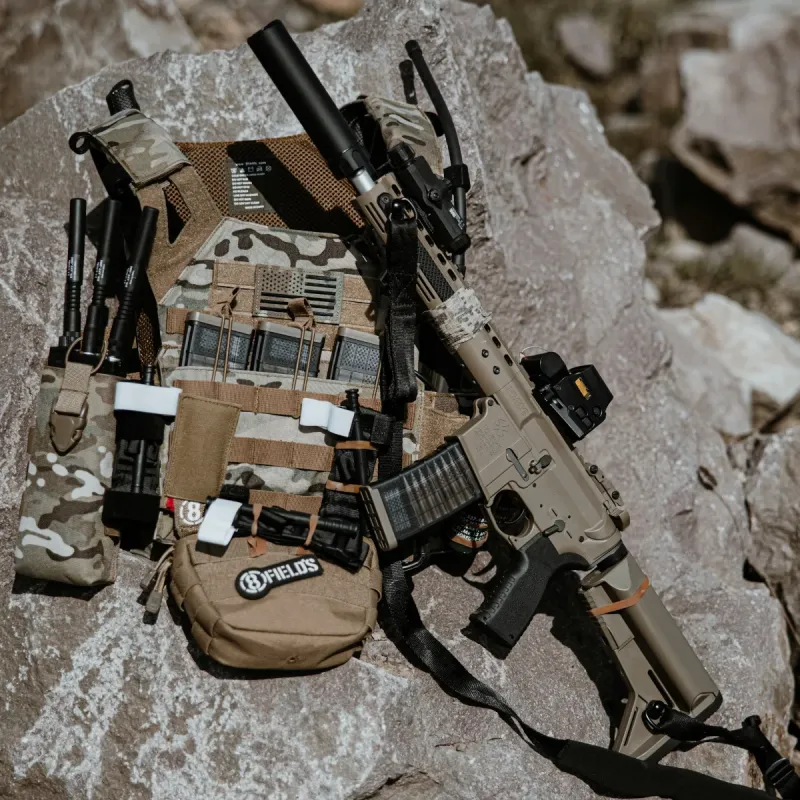
Outdoor Gear Manufacturers
$0.00
Ex Tax: $0.00
  • Stock: In Stock
  • Model: 2.6.2
Create unlimited custom product blocks and display them in accordions or tabs or open blocks. Each block can be assigned to all products at once or specific products according to advanced criteria.

Decathlon Groupe

Anta Sports Products Limited

Shenzhou International Group

Huali Industrial Group Company Limited

Zhejiang Mobi Garden Outdoor Products Co., Ltd.

Amer Sports, Inc.

Snow Peak, Inc.

Beijing Toread Outdoor Products Co., Ltd.

Zhanjiang Maya Travel Products Co., Ltd(Kailas)

Pou Chen Corporation

Sports & Outdoor Gear Manufacturers
Top Global Sports & Outdoor Gear Manufacturers List | Verity Rank
Explore the definitive global ranking of leading sports & outdoor equipment manufacturers and brands. Our data-driven list analyzes production scale, supply chain strength, and market influence. Find top suppliers.
sports equipment manufacturers, outdoor gear manufacturers, outdoor brands ranking, global manufacturers list, sports gear suppliers, manufacturer rankings, outdoor industry analysis, gear company rankings, top outdoor companies, athletic equipment makers

Write a review

Please login or register to review

Builder in Product TAB

NEW! Since Journal 3.2, the much improved T.A.B (Tabs Accordion Blocks) system supports the page builder inside the tab content. Unlimited Blocks, Tabs or Accordions with any HTML content or the builder interface (supporting custom rows/columns/modules) can be assigned to any individual product or to certain groups of products, like entire categories, brands, products with specific options, attributes, price range, etc.You can indicate any criteria via the advanced product assignment mechanism and only those products matching your criteria will display the modules.Also, any module can be selectively activated per device (desktop/tablet/phone), customer login status and other criteria. Imagine the possibilities.

FAQ

Verity Rank is committed to delivering authentic, transparent, and verifiable industry insights. This ranking is not based on subjective opinions but on a rigorous multi-dimensional evaluation model. We systematically collect and cross-verify public data and authoritative information from global sources, conducting quantitative analysis on key dimensions for each company, including financial performance, market influence, supply chain control, consumer sentiment, and innovative sustainability. Our data sources include, but are not limited to: public financial filings of listed companies, reports from international market research authorities, statistics from government and industry bodies, specialized research from leading universities and think tanks, as well as global public sentiment and search trend data integrated via AI technology. All data undergoes cleaning and weighted calculation to ensure the objectivity and neutrality of the final ranking, presenting you with a credible panorama of the industry.
1. Definition and Age Range
Baby clothing (0-24 months) refers to garments specifically designed for infants from birth up to 24 months of age. During this stage, babies have delicate skin, a high metabolic rate, and rapidly evolving motor skills—from lifting their heads and rolling over to crawling and taking their first steps. Consequently, these clothes have unique requirements in terms of design, fabric, and safety standards, setting them apart from everyday wear for older children.
2. Key Characteristics
• Safety First: Must comply with stringent infant wear standards (e.g., Class A in China), prohibiting harmful substances. Fasteners like buttons and zippers must be securely attached with no sharp edges, and drawstrings are strictly limited in length to prevent entanglement risks.
• Ultra-Soft Fabrics: Typically made from 100% cotton or organic cotton, requiring breathability, moisture absorption, and no fluorescent agents or formaldehyde. Premium products may incorporate functional fabrics with antibacterial or temperature-regulating properties.
• Ease of Dressing: Designed for newborns with weak necks and developing skeletons, featuring front-opening (kimono style), shoulder-opening, or full-snap designs to facilitate dressing and diaper changes.
• Scenario-Specific: Specialized categories like sleeping sacks, footed sleepers, and rompers cater to different activities such as sleeping, going out, or crawling.
3. Differences from Regular Kids' Wear
Regular kids' wear (for ages 2+) typically follows Class B or C standards, with looser requirements for softness and safety, focusing more on fashion and personalization.
Baby clothing patterns must accommodate diapers, often featuring open-crotch or snap closures at the bottom, while kids' wear resembles scaled-down adult versions.
4. Industry Significance
Baby clothing is an essential segment of the maternal and infant industry and one of the most carefully considered purchases for new parents. Its quality directly impacts infant health and comfort. Therefore, competition among brands and manufacturers centers on safety, functionality, and material innovation.
1. Bodysuits / Onesies
The most basic everyday garment for infants. They cover from the shoulders to the crotch, usually featuring snap fasteners at the bottom for easy diaper changes. Long-sleeve versions are suitable for cooler seasons, while short-sleeve or sleeveless ones are for summer. Bodysuits prevent the top from riding up and keep the baby's tummy warm.
2. Kimono Tops
Exclusive to newborns, these are wrap-style tops that typically do not cover the bottom. The overlapping front makes dressing easy and eliminates buttons that could press against the baby. Usually worn as an inner layer with a diaper and swaddle.
3. Footed Sleepers
One-piece garments with sleeves, legs, and integrated feet, designed specifically for sleep. The footed design prevents babies from kicking off socks and getting cold. Zippers or snaps usually run from the neck to the ankle for convenient diaper changes. Ideal for winter or air-conditioned rooms.
4. Sleeping Sacks
Resembling a sleeveless or long-sleeved "bag," the baby slips inside with shoulders secured and feet free to move. They replace traditional blankets, preventing the risk of suffocation from kicked-off covers and keeping the baby warm safely. Available in different thicknesses and materials for various seasons.
5. Newborn Gift Sets
Typically include multiple items like kimono tops, hats, mittens, bibs, and swaddles, beautifully packaged—making them the perfect gift for new arrivals. The products are usually essential basics for newborns.
6. Winter Snowsuits
One-piece insulated suits for outdoor use in cold weather, often filled with cotton or down for warmth and wind protection. The all-in-one design fully envelops the baby, preventing cold air from seeping in.
7. Accessories
Though small, items like bibs (for drool and milk stains), baby hats, anti-scratch mittens, and socks are daily necessities and must also meet infant safety standards.
1. The Delicate Nature of Infant Skin
The skin of babies aged 0-24 months has a thin stratum corneum, weak barrier function, and high absorption capacity for chemicals, coupled with an underdeveloped immune system. Harmful substances like formaldehyde or carcinogenic azo dyes in substandard fabrics can trigger allergies, dermatitis, or more severe health issues. Thus, safety standards form the primary defense for infant protection.
2. China's Mandatory Standard (GB 31701-2015)
In China, textile products for infants and young children must comply with the "National Safety Technical Code for Infants and Children Textile Products." Infant clothing (for ages 36 months and under) is classified under the highest safety level—Class A. Key requirements include:
• Formaldehyde Content: Class A ≤20 mg/kg (Class B ≤75 mg/kg, Class C ≤300 mg/kg).
• pH Value: Between 4.0 and 7.5, matching the skin's slightly acidic environment.
• Prohibited: Carcinogenic azo dyes, odors, fluorescent whitening agents, etc.
• Heavy Metals: Strict limits are imposed.
3. Physical Safety Requirements
• Drawstrings: No drawstrings are permitted in the head and neck area of infant clothing to prevent entanglement and strangulation. Shoulder straps must be fixed and free-end. Lengths of drawstrings in other areas are strictly limited.
• Fasteners and Attachments: Buttons, zippers, and decorations must be securely attached, meet pull strength requirements, and have no sharp points or edges to prevent babies from pulling them off, swallowing, or getting scratched.
• Packaging: Plastic bags must have ventilation holes to prevent suffocation.
4. International Standards
Stringent regulations also exist in the West, such as the U.S. CPSC's flammability requirements for children's sleepwear and the EU's EN 71 standards. Exported products must meet destination-country requirements. Reputable brands often enforce uniform high standards globally, sometimes exceeding regulatory demands.
5. How Consumers Can Identify Safe Products
Look for labels indicating "Safety Technical Category: Class A" and the standard number "GB 31701." For imported items, check for international certifications like OEKO-TEX® Standard 100.
1. Cotton as the Top Choice
Cotton fabric is natural, soft, breathable, and moisture-absorbent, making it the most popular choice for infant wear. Look for products labeled 100% cotton with a moderate weave density and a soft hand feel. Combed cotton is finer and smoother than regular cotton, ideal for next-to-skin wear.
2. Organic Cotton: A Higher Standard of Purity
Organic cotton is grown and processed without chemical pesticides, fertilizers, or bleaches, certified by bodies like GOTS or OCS. It is environmentally friendly and minimizes residual irritants for babies with sensitive skin or eczema, though it usually comes at a higher price point.
3. Functional Fabrics: Technology-Enhanced Comfort
Antibacterial Fabrics: Often infused with natural agents (e.g., mugwort, chitosan) or structured to inhibit bacterial growth, suitable for babies who sweat easily.
Temperature-Regulating Fabrics: Utilize phase-change materials (PCM) to absorb or release heat according to body temperature, helping maintain a comfortable sleep environment—commonly used in sleeping sacks and base layers.
Sun-Protective Fabrics: Rated UPF 50+ to block UV rays, essential for outdoor summer activities.
Quick-Dry / Cooling Fabrics: Feature special fiber structures or cooling additives to keep babies dry and cool in hot weather.
4. Seasonal Considerations
Spring/Summer: Choose lightweight, breathable fabrics like cotton jersey, gauze, or single jersey that wick away sweat. Mesh fabrics offer enhanced ventilation.
Autumn/Winter: Opt for warmer knits like cotton interlock, air layer fabric, or fleece. Ensure the inner layer is skin-friendly, the middle layer retains heat, and the outer layer is windproof.
5. Fabrics to Avoid
Minimize direct skin contact with high-synthetic blends (e.g., polyester, nylon), as they lack breathability and can cause overheating and irritation. Rayon is soft but prone to shrinkage; assess based on the specific finish.
6. Feel and Workmanship
Regardless of fabric, feel the garment before purchasing to assess softness. Check if seams are flat and non-irritating (e.g., seamless or flat-seam construction). Look for labels placed on the outside or designed to be tear-away to prevent chafing.
1. Safety Category – The Most Critical Information
Under national standards, infant clothing labels must clearly state "Safety Technical Category: Class A" and the implementing standard "GB 31701." This is the most direct basis for judging whether a product is qualified. If labeled Class B or C, it is unsuitable for next-to-skin wear for infants under 3 years. Some imported products may lack a Class A label; in that case, refer to international eco-certifications like OEKO-TEX®.
2. Fiber Composition – Material Determines Comfort
The label lists the percentage of each fiber, e.g., "100% cotton," "95% cotton, 5% elastane." The highest percentage component is listed first. Prioritize products with a high cotton content. Elastic fibers like elastane add stretch and shape retention but should not be excessive. Note that "pure cotton" and "100% cotton" usually mean the same thing.
3. Care Instructions – Prolonging Garment Life
Care labels use symbols to indicate washing, bleaching, drying, ironing, and dry-cleaning methods. Common symbols include a washbowl (washing), triangle (bleaching), square with a circle (tumble drying), iron (ironing), and circle (dry cleaning). Crosses or bars indicate prohibitions or specific conditions. For example, a triangle with a cross means do not chlorine bleach; an iron with one dot means low-temperature ironing. Infant clothing generally requires gentle washing, no dry cleaning, and no chlorine bleach.
4. Size – Height is the Primary Reference
Infant clothing sizes are usually indicated by height in centimeters, such as "52" (newborn), "59," "66," etc., sometimes accompanied by an age range. However, babies vary greatly, so prioritize the baby's actual height and check if the fit tends to run large or small.
5. Product Name and Grade
• Product Name: e.g., "Infant Bodysuit," helps confirm the category.
• Grade: Classified as superior, first-class, or qualified. Superior grade has the highest requirements and fewest defects, but most products on the market are qualified or first-class.
6. Other Information
Includes the manufacturer's name, address, country of origin, and the implemented product standard number (e.g., GB/T 33271-2016 "Woven infant wear"). This information helps trace the product's source.