We Use Cookies 🍪
We Use Cookies And Other Similar Technologies To Improve Your Browsing Experience And The Functionality Of Our Site. Learn More In Our Privacy Policy.

Ranking List of Factories in the Sports Gear Industry

Last Updated: April 04, 2026


Welcome to Verity Rank's "Global Sports Gear Industry Factory Ranking".
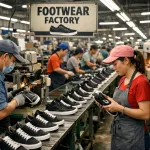
Behind every viral sportswear hit stands an invisible giant. These manufacturers never face consumers, yet their molds, stitches, and compounds define the limits of your cushioning, the breathability of your layers, and the comfort of your pack. From Yue Yuen molding 300 million pairs for Nike and Adidas, to Shenzhou International knitting 430 million garments for Lululemon and Uniqlo; from Feng Tay engineering Salomon's trail runners, to Huali Group shaping 220 million sneakers for Vans and Converse—these players form the true foundation of the sports gear industry. But when brand hype obscures supply-chain realities, buyers and analysts navigate blind: Who masters waterless dyeing? Whose automation rate exceeds 45%? Whose factories are 100% bluesign certified? Who delivers new molds in just 21 days?
This ranking goes deep into the industrial heartland. Verity Rank integrates global authoritative data sources, including national industrial statistics, university textile engineering patent analysis, AI-driven supply chain sentiment monitoring, third-party audit reports (e.g., SGS, bluesign), and public financials. We assess top manufacturers across five dimensions: Production Scale, Tech Moat, Client Stickiness, ESG Compliance, and Delivery Agility. We strip away the brand veneer to make the supply chain transparent.
Disclaimer: This ranking is based on data compiled from third-party authoritative sources, including public data from national statistical agencies, industry reports from academic institutions, AI-powered global supply chain monitoring, and publicly listed company financial statements. The results are generated from a multi-dimensional algorithm model and are intended for reference and market decision support only. They do not constitute direct investment advice or brand endorsement.

Yue Yuen Industrial (Holdings) Limited

Yue Yuen Industrial (Holdings) Limited is a globally leading vertically integrated footwear manufacturing group headquartered in Hong Kong, China, and listed on the Hong Kong Stock Exchange (SEHK: 0551). It is the core manufacturing subsidiary of Pou Chen Corporation. As the world's largest footwear manufacturer, it specializes in providing comprehensive ODM/OEM services, from design and development to mass production, for top-tier international sportswear brands like Nike and Adidas, with a complete industrial chain covering materials to finished products. Its production bases are highly concentrated in countries like Vietnam and Indonesia, with an output of approximately 255 million pairs and revenue of $6.89 billion in 2024, making it an indispensable "hidden champion" and industrial cornerstone of the global athletic footwear supply chain.

Strengths: Yue Yuen's core strengths are its unparalleled manufacturing scale and deep vertical integration, building formidable barriers in cost control, quality assurance, and supply chain synergy; concurrently, its long-term, deep-rooted partnerships with key clients like Nike and Adidas ensure order stability, and its globalized production network across Southeast Asia provides flexible capacity allocation to mitigate risks.
Weaknesses: Yue Yuen's main weaknesses are its heavy revenue reliance on a few cornerstone clients, making its performance directly vulnerable to their order fluctuations; furthermore, its highly concentrated production base in Southeast Asia exposes operations to risks from local geopolitics, trade policy shifts, and rising labor costs, and as a capital-intensive manufacturer, it faces persistent pressure from automation upgrades and environmental compliance.
Yue Yuen
Yue Yuen
Brand Name
Hong Kong, China
Hong Kong, China
Address
1988
Founded
235K+
Number of Employees
15+ Countries
Business Scope
10+ Factory
Production Base
Official Website
Footwear Industry
Men's Shoes Industry
Women's Shoes Industry
Athletic Shoes Industry
Children's Shoes Industry
Specialty Footwear Industry
Footwear Materials & Components
Performance Shoes Industry
Lifestyle Sneakers Industry
Running Shoes Industry
Basketball Shoes Industry
Soccer Cleats Industry
Footwear Industry
Men's Shoes Industry
Women's Shoes Industry
Athletic Shoes Industry
Children's Shoes Industry
Specialty Footwear Industry
Footwear Materials & Components
Performance Shoes Industry
Lifestyle Sneakers Industry
Running Shoes Industry
Basketball Shoes Industry
Soccer Cleats Industry

Decathlon Groupe

The Decathlon Group, originating from France, is a unique global sports industry behemoth, recognized as the world's largest vertically integrated specialist sports goods retailer and manufacturer. It employs a fully integrated SPA model encompassing design, production, logistics, and retail, overseeing a "constellation" of over 20 in-house passion brands (e.g., Quechua, Kalenji) covering 80+ sports. Through extreme cost control enabled by its global proprietary production bases, extensive supply chain, and vast network of experiential megastores and e-commerce, the group successfully fulfills its "sport democratization" mission by offering one-stop, high-value solutions for all sports equipment. With annual revenue exceeding €16 billion and operations in 70+ countries, Decathlon is not only a commercial leader in scale but also a social enterprise exemplar that profoundly influences mass sports participation worldwide through business model innovation.
Strengths: Decathlon's core strengths are its unparalleled vertical integration and economies of scale across the entire supply chain, enabling supreme cost control from R&D to retail and establishing a leading global value-for-money barrier; concurrently, its complete sports ecosystem covering apparel, footwear, and professional equipment, coupled with its "warehouse-style" in-store experience, creates powerful one-stop shopping stickiness and the broadest family user base.
Weaknesses: Decathlon's main weaknesses are the inherent organizational complexity and agility challenges of its global "supertanker" operations, hindering rapid response to niche market trends; furthermore, its long-established core identity of "high value-for-money" creates resistance to brand premiumization for upmarket expansion, and its vast physical retail network faces ongoing optimization and rental cost pressures amid e-commerce competition.
Decathlon
Decathlon
Brand Name
Villeneuve d'Ascq, France
Address
1976
Founded
100K+
Number of Employees
70+ Countries
Business Scope
1700+ Stores
Global Stores
Unlisted ( Family Business )
Listing Status
Official Website
Men's Clothing Industry
Men's Outerwear Industry
Men's Sportswear Industry
Women's Clothing Industry
Women's Outerwear Industry
Women's Activewear Industry
Athletic Shoes Industry
Specialty Footwear Industry
Backpacks Industry
Specialty Bags Industry
Functional Wear Industry
Hosiery Industry
Sports & Outdoor Gear Industry
Sports Apparel Industry
Outerwear Industry
Footwear Industry
Performance Accessories Industry
Camping Gear Industry
Sports Equipment Industry
Kids & Baby Clothing Industry
Children's Everyday Wear Industry
Fashion Accessories Industry
Utility Accessories Industry
Hard Shell Jackets Industry
Down Jackets Industry
Soft Shell Jackets Industry
Ski Suits Industry
Men's Clothing Industry
Men's Outerwear Industry
Men's Sportswear Industry
Women's Clothing Industry
Women's Outerwear Industry
Women's Activewear Industry
Athletic Shoes Industry
Specialty Footwear Industry
Backpacks Industry
Specialty Bags Industry
Functional Wear Industry
Hosiery Industry
Sports & Outdoor Gear Industry
Sports Apparel Industry
Outerwear Industry
Footwear Industry
Performance Accessories Industry
Camping Gear Industry
Sports Equipment Industry
Kids & Baby Clothing Industry
Children's Everyday Wear Industry
Fashion Accessories Industry
Utility Accessories Industry
Hard Shell Jackets Industry
Down Jackets Industry
Soft Shell Jackets Industry
Ski Suits Industry

Anta Sports Products Limited

Anta Sports Products Limited is China's leading and globally top-three comprehensive sports goods group, founded in Fujian in 1991 and listed on the Hong Kong Stock Exchange (2020.HK) in 2007. With a "single-focus, multi-brand, omni-channel" strategy, its portfolio includes Anta, FILA, Descente, Kolon, Arc'teryx (Amer Sports), and the newly acquired Jack Wolfskin (2025) and a stake in PUMA (2026). In 2025, group revenue reached approximately RMB 75–78 billion, with over 13,000 stores globally, ~65,000 employees, and annual footwear/apparel capacity of 140 million pairs and 100 million pieces respectively. In the sports & outdoor gear segment, through premium brands like Arc'teryx, Descente, and Salomon, it covers mountaineering, skiing, trail running, and all outdoor scenarios, continuously strengthening its equipment matrix from mass-market to top-tier professional.
Strengths: Anta's core strengths lie in its exceptional multi-brand operation capabilities and global M&A integration expertise, leveraging the Anta, FILA, Descente, and Arc'teryx brand matrix to precisely target mass, fashion, and premium outdoor segments—strengthened by the 2025 PUMA stake acquisition and Jack Wolfskin purchase; its DTC transformation has achieved ~90% direct sales, demonstrating industry-leading channel control; deep partnerships with top IPs like NBA's Kyrie Irving and its role as consecutive Olympic Games uniform supplier build a formidable professional image moat; MSCI ESG rating upgraded to AA, highlighting outstanding supply chain sustainability.
Weaknesses: Anta's main weaknesses include inventory pressure, with average turnover days rising to 136 in 2025, presenting ongoing de-stocking challenges; multi-brand integration complexity, with FILA's growth slowing and newly acquired brands like Jack Wolfskin requiring time to digest; overseas expansion remains nascent, with brand awareness in Western markets far behind Nike and Adidas; R&D investment ratio still trails international giants, requiring continuous catch-up in core technologies for premium professional segments.
Anta
Anta
Brand Name
Quanzhou, Fujian Province, China
Address
1991
Founded
65K+
Number of Employees
30+ Countries
Business Scope
1000+ Factory
Group Supply Chain Network
Official Website
Men's Clothing Industry
Men's Sportswear Industry
Women's Clothing Industry
Women's Activewear Industry
Footwear Industry
Athletic Shoes Industry
Luggage & Accessories Industry
Backpacks Industry
Specialty Bags Industry
Intimates & Hosiery Industry
Basic Hosiery Industry
Functional Socks Industry
Sports & Outdoor Gear Industry
Sports Apparel Industry
Outerwear Industry
Footwear Industry
Performance Accessories Industry
Sports Equipment Industry
Kids & Baby Clothing Industry
Children's Everyday Wear Industry
Functional Wear Industry
Fashion Accessories Industry
Head Accessories Industry
Technical Fabrics Industry
Custom & Group Apparel Industry
Group Uniforms Industry
Sustainable Fashion Industry
Recycled Fabrics Industry
Men's Clothing Industry
Men's Sportswear Industry
Women's Clothing Industry
Women's Activewear Industry
Footwear Industry
Athletic Shoes Industry
Luggage & Accessories Industry
Backpacks Industry
Specialty Bags Industry
Intimates & Hosiery Industry
Basic Hosiery Industry
Functional Socks Industry
Sports & Outdoor Gear Industry
Sports Apparel Industry
Outerwear Industry
Footwear Industry
Performance Accessories Industry
Sports Equipment Industry
Kids & Baby Clothing Industry
Children's Everyday Wear Industry
Functional Wear Industry
Fashion Accessories Industry
Head Accessories Industry
Technical Fabrics Industry
Custom & Group Apparel Industry
Group Uniforms Industry
Sustainable Fashion Industry
Recycled Fabrics Industry

Shenzhou International Group

Shenzhou International Group Holdings Limited is the "invisible champion" of global knitwear manufacturing, headquartered in Ningbo, Zhejiang, China. As a Hong Kong Stock Exchange-listed company (SEHK:02313), its core business focuses on Textile & Apparel categories including men's performance T-shirts, women's yoga wear, underwear, and loungewear, providing vertically integrated OEM/ODM services from fabric R&D, dyeing and finishing to garment sewing for global sportswear brands like Nike, Uniqlo, Adidas, and Puma. In 2025, Shenzhou achieved estimated revenue of RMB 32.5-34 billion, employing over 110,000 people across 13 large-scale integrated factories in Ningbo, Anhui, Vietnam, and Cambodia, producing approximately 550 million garments and 250,000 tons of fabric annually. Its top four clients contribute about 82% of revenue. Leveraging ultimate vertical integration efficiency and quick response capabilities, Shenzhou defines the manufacturing benchmark behind global brands.
Strengths: Shenzhou's core strength in Textile & Apparel lies in its extreme vertical integration model, controlling the entire value chain from fabric R&D, dyeing and finishing to garment sewing, building a triple moat of efficiency, quality, and cost in knitwear categories like performance T-shirts and yoga wear. Annual production scale of 550 million garments and 250,000 tons of fabric, combined with overseas capacity in Vietnam and Cambodia, makes it an irreplaceable core supplier for global brands like Nike and Uniqlo, with its share in client supply chains growing through shortened lead times and quick response capabilities.
Weaknesses: Shenzhou's main weaknesses stem from its business model's heavy reliance on its top four clients (Nike, Adidas, Uniqlo, Puma), with customer concentration reaching 82%, making performance highly susceptible to core brand order fluctuations. As a B2B manufacturer lacking end-consumer brand recognition, its gross margin is compressed by rising labor costs and initial depreciation of overseas new factories, slightly declining to 27.1% in H1 2025. It also faces uncertainty risks from cross-border raw material tariffs amid changing global trade environments.
Shenzhou
Shenzhou
Brand Name
Ningbo, Zhejiang Province, China
Address
2005
Founded
110K+
Number of Employees
3+ Countries
Core Production and Operation Countries
13+ Factory
Large-scale Integrated Production Base
Official Website
Men's Clothing Industry
Men's Tops Industry
Polo Shirt
Men's Knitted Top
Men's Casual Wear
Men's Sports T-shirt
Men's Sportswear Industry
Women's Clothing Industry
Women's Tops Industry
Women's Vest
Women's Knitted Top
Ladies' Sports T-shirt
Women's Activewear Industry
Yoga Wear
Intimates & Hosiery Industry
Women's Underwear Industry
Men's Underwear Industry
Sports Bra
Homewear
Loungewear & Sleepwear Industry Sustainable Fashion Industry
Loungewear Industry
Recycled Fabrics Industry
Men's Clothing Industry
Men's Tops Industry
Polo Shirt
Men's Knitted Top
Men's Casual Wear
Men's Sports T-shirt
Men's Sportswear Industry
Women's Clothing Industry
Women's Tops Industry
Women's Vest
Women's Knitted Top
Ladies' Sports T-shirt
Women's Activewear Industry
Yoga Wear
Intimates & Hosiery Industry
Women's Underwear Industry
Men's Underwear Industry
Sports Bra
Homewear
Loungewear & Sleepwear Industry Sustainable Fashion Industry
Loungewear Industry
Recycled Fabrics Industry

Feng Tay Enterprise Co., Ltd.

Feng Tay Enterprise Co., Ltd. is a globally leading sports footwear manufacturer headquartered in Yunlin County, Taiwan, listed on the Taiwan Stock Exchange. It specializes in designing and manufacturing athletic footwear for international brands like Nike, employing a vertically integrated model covering materials development to finished shoe production. With 12 production bases across Vietnam, India, Indonesia and other locations, ~100,000 employees, it reported NT$100 billion (~$3.2 billion) revenue in 2024 and has an annual capacity of ~150 million pairs. Leveraging its professional manufacturing, premium client resources and strict quality control, it maintains an important supplier position in global sports footwear manufacturing.
Strengths: Feng Tay's core strengths are its outstanding professional manufacturing capabilities with mature footwear technology and strict quality control systems; premium client resources maintaining long-term stable partnerships with global brands like Nike; global production layout with Vietnam contributing 60% capacity, effectively optimizing production and diversifying risks.
Weaknesses: Feng Tay faces high business concentration risk with footwear contributing 95% revenue, over-relying on single product line; persistent cost control pressures from rising material and labor costs squeezing profit margins; international trade environment uncertainties with geopolitical factors affecting global supply chain stability.
Feng Tay
Feng Tay
Brand Name
Yunlin County, Taiwan
Address
1971
Founded
100K+
Number of Employees
5+ Countries
Business Scope
12+ Factory
Processing Facilities
Official Website
Footwear Industry
Men's Shoes Industry
Women's Shoes Industry
Athletic Shoes Industry
Performance Shoes
Lifestyle Sneakers
Casual Sports Shoes
Basketball Shoes
Children's Shoes Industry
Sports & Outdoor Gear Industry
Footwear Industry
Performance Accessories Industry
Sustainable Fashion Industry
Recycled Fabrics Industry
Footwear Industry
Men's Shoes Industry
Women's Shoes Industry
Athletic Shoes Industry
Performance Shoes
Lifestyle Sneakers
Casual Sports Shoes
Basketball Shoes
Children's Shoes Industry
Sports & Outdoor Gear Industry
Footwear Industry
Performance Accessories Industry
Sustainable Fashion Industry
Recycled Fabrics Industry

Eclat Textile Co. Ltd.

Eclat Textile Co., Ltd. is a globally leading vertically integrated manufacturer of functional knitted fabrics and apparel, headquartered in Taoyuan, Taiwan, China, and listed on the Taiwan Stock Exchange (TWSE: 1476). Operating under a "R&D in Taiwan, Manufacturing in Southeast Asia" model, it provides one-stop ODM/OEM services from functional yarn R&D and high-end knitted fabric production to garment design and manufacturing, serving as a core innovation and manufacturing partner for top global sportswear and yoga brands like Nike and Lululemon. Revenue reached NT$33.96 billion (approx. $1.08B) in 2024, and despite short-term pressure from industry cycles, its profound technical moat and exceptional profitability solidify its status as a technology-driven “hidden champion” in the global textile supply chain.
Strengths: Eclat's core strengths are its deep vertical integration from yarn to finished garment and top-tier R&D and innovation capabilities, building a formidable technical moat and product premium power; concurrently, its strategic symbiotic relationships with benchmark clients like Nike and Lululemon ensure deep order binding and co-development opportunities, granting the company profitability and industry standing beyond that of a traditional contract manufacturer.
Weaknesses: Eclat's main weaknesses are its heavy revenue concentration on a few top-tier clients and the North American market, making its performance directly vulnerable to their strategic shifts and end-consumer cyclical fluctuations; furthermore, as an upstream manufacturer, it cannot fully avoid the inventory and demand cycles of the consumer goods industry, and its production reliance on Vietnam also introduces certain geopolitical and operational concentration risks.
Eclat
Eclat
Brand Name
Taichung, Taiwan
Taichung, Taiwan
Address
1977
Founded
16K+
Number of Employees
5+ Countries
Business Scope
10+ Factory
Processing Facilities
TWSE : ​​1476​
Listing Status
Official Website
Men's Clothing Industry
Men's Sportswear Industry
Women's Clothing Industry
Women's Activewear Industry
Footwear Industry
Men's Shoes Industry
Women's Shoes Industry
Athletic Shoes Industry
Intimates & Hosiery Industry
Women's Underwear Industry
Men's Underwear Industry
Basic Hosiery Industry
Functional Socks Industry
Sports & Outdoor Gear Industry
Sports Apparel Industry
Footwear Industry
Men's Clothing Industry
Men's Sportswear Industry
Women's Clothing Industry
Women's Activewear Industry
Footwear Industry
Men's Shoes Industry
Women's Shoes Industry
Athletic Shoes Industry
Intimates & Hosiery Industry
Women's Underwear Industry
Men's Underwear Industry
Basic Hosiery Industry
Functional Socks Industry
Sports & Outdoor Gear Industry
Sports Apparel Industry
Footwear Industry

Amer Sports, Inc.

Amer Sports, Inc. is a Finland-origin global multi-brand performance sports product group, now majority-owned and operationally driven by a Chinese consortium led by ANTA Sports. Functioning as a “brand empire” in the professional sports arena, its core strategy is to acquire, nurture, and synergistically manage a portfolio of iconic brands that hold absolute leadership in their respective niches, including Arc‘teryx, Salomon, Wilson, Atomic, and Suunto. Its business deeply spans outdoor equipment, ball sports gear, fitness machinery, and high-performance apparel and footwear. Operating a capital-light brand management and platform model, it distributes through a robust global supply chain, a rapidly expanding direct-to-consumer (DTC) retail network, and wholesale channels. Empowered by ANTA, the group has seen rapid growth, with Greater China becoming its largest market. Reaching €4.411 billion in revenue in 2024, it is advancing toward its €5 billion target for 2025, standing as a strategically sharp and execution-excellent growth paradigm in the global professional sports industry.
Strengths: Amer Sports’ core strengths lie in its nearly irreplicable portfolio of top-tier professional sports brands, where each subsidiary (e.g., Arc‘teryx, Salomon) possesses defining technical authority and “cult-like” user loyalty in its segment, creating a wide competitive moat; concurrently, the group has successfully driven brand premiumization and DTC transformation, and, leveraging the deep China market insight and growth resources from ANTA, achieves powerful synergy between its “global platform” and “China engine”.
Weaknesses: Amer Sports’ main weaknesses are its increasing growth reliance on the single China market, necessitating a balance between this explosive growth and steady development in other global markets to mitigate potential risks; simultaneously, in pushing the premiumization and cross-over of brands like Arc‘teryx, maintaining their core professional credibility to avoid brand dilution, along with the complex task of managing the culture and operations of multiple independent top brands, presents ongoing challenges.
Amer Sports
Amer Sports
Brand Name
Helsinki, Uusimaa, Finland
Address
1950
Founded
10K+
Number of Employees
100+ Countries
Business Scope
1000+ Stores
Global Cooperative Factories
Official Website
Men's Clothing Industry
Men's Outerwear Industry
Men's Sportswear Industry
Women's Clothing Industry
Women's Outerwear Industry
Women's Activewear Industry
Athletic Shoes Industry
Specialty Footwear Industry
Backpacks Industry
Specialty Bags Industry
Functional Wear Industry
Hosiery Industry
Sports & Outdoor Gear Industry
Sports Apparel Industry
Outerwear Industry
Footwear Industry
Performance Accessories Industry
Sports Equipment Industry
Kids & Baby Clothing Industry
Functional Wear Industry
Fashion Accessories Industry
Utility Accessories Industry
Hard Shell Jackets Industry
Down Jackets Industry
Soft Shell Jackets Industry
Ski Suits Industry
Men's Clothing Industry
Men's Outerwear Industry
Men's Sportswear Industry
Women's Clothing Industry
Women's Outerwear Industry
Women's Activewear Industry
Athletic Shoes Industry
Specialty Footwear Industry
Backpacks Industry
Specialty Bags Industry
Functional Wear Industry
Hosiery Industry
Sports & Outdoor Gear Industry
Sports Apparel Industry
Outerwear Industry
Footwear Industry
Performance Accessories Industry
Sports Equipment Industry
Kids & Baby Clothing Industry
Functional Wear Industry
Fashion Accessories Industry
Utility Accessories Industry
Hard Shell Jackets Industry
Down Jackets Industry
Soft Shell Jackets Industry
Ski Suits Industry

Huali Industrial Group Company Limited

Huali Industrial Group Company Limited is a globally leading sports footwear manufacturer headquartered in Zhongshan, Guangdong, listed on the Shenzhen Stock Exchange. It specializes in providing R&D, design, and manufacturing services for international brands like Nike, Converse, and Vans, employing a vertically integrated model covering key processes including molds and soles. With 21 production bases across Vietnam, China, Myanmar, and Dominican Republic, it employs ~100,000 people, reported RMB 18 billion revenue in 2024, and has an annual capacity of ~200 million pairs. Leveraging its scaled manufacturing, premium client resources, and cost control advantages, it maintains an important position in global sports footwear manufacturing.
Strengths: Huali Group's core strengths are its strong manufacturing scale producing ~200 million pairs annually with global layout delivering significant benefits; premium client resources maintaining long-term partnerships with leading brands like Nike and Converse; effective cost control and partial vertical integration achieving self-production in key areas like molds and soles.
Weaknesses: Huali Group faces persistent cost pressures from raw material fluctuations and rising Southeast Asian labor costs impacting profitability; geopolitical risks from international trade policy changes challenge its multi-country production layout; intensifying industry competition squeezes profit margins while brand recognition remains relatively low.
Huali Group
Huali Group
Brand Name
Zhongshan, Guangdong, China
Address
2004
Founded
100K+
Number of Employees
3+ Countries
Business Scope
21+ Factory
Production Facilities
Official Website
Footwear Industry
Men's Shoes Industry
Women's Shoes Industry
Athletic Shoes Industry
Performance Shoes
Lifestyle Sneakers
Casual Sports Shoes
Basketball Shoes
Children's Shoes Industry
Sustainable Fashion Industry
Recycled Fabrics Industry
Footwear Industry
Men's Shoes Industry
Women's Shoes Industry
Athletic Shoes Industry
Performance Shoes
Lifestyle Sneakers
Casual Sports Shoes
Basketball Shoes
Children's Shoes Industry
Sustainable Fashion Industry
Recycled Fabrics Industry

Crystal International Group Limited

Crystal International Group Limited is a globally leading apparel manufacturer headquartered in Hong Kong, listed on the Hong Kong Stock Exchange. Employing a vertically integrated model, it provides design and manufacturing services for international brands like UNIQLO, specializing in casualwear, sportswear and intimates. With 20 production bases across Vietnam, China, Cambodia and other locations, it employs ~70,000 people, reported $2.5 billion revenue in 2024, and has an annual capacity of ~400 million garments. Leveraging its vertical integration, global footprint and leading sustainability practices, it maintains an important competitive position in global apparel manufacturing.
Strengths: Crystal International's core strengths are its strong vertical integration enabling end-to-end services from fabric development to garment manufacturing; significant global footprint with 70% capacity in Vietnam and other strategic locations effectively diversifying risks; leading sustainability practices with notable achievements in eco-certifications and carbon reduction recognized by brand clients.
Weaknesses: Crystal International faces persistent cost control pressures from rising labor and material costs impacting profitability; international trade environment uncertainties with geopolitical factors affecting global supply chain stability; intensifying industry competition squeezing profit margins while relatively low OEM model margins constrain development.
Crystal Group
Crystal Group
Brand Name
Hong Kong, China
Hong Kong, China
Address
1970
Founded
70K+
Number of Employees
7+ Countries
Business Scope
20+ Factory
Processing Facilities
Official Website
Men's Clothing Industry
Men's Tops Industry
Men's Knitwear
Men's T-shirt
Men's Casual Wear
Polo Shirt
Men's Sportswear Industry
Women's Clothing Industry
Women's Tops Industry
Ladies' Knitted Sweater
Women's T-shirt
Ladies' Casual Wear
Dresses & Skirts Industry
Dress
Women's Pants Industry
Women's Activewear Industry
Intimates & Hosiery Industry
Women's Underwear Industry
Men's Underwear Industry
Loungewear & Sleepwear Industry
Loungewear Industry
Sustainable Fashion Industry
Recycled Fabrics Industry
Men's Clothing Industry
Men's Tops Industry
Men's Knitwear
Men's T-shirt
Men's Casual Wear
Polo Shirt
Men's Sportswear Industry
Women's Clothing Industry
Women's Tops Industry
Ladies' Knitted Sweater
Women's T-shirt
Ladies' Casual Wear
Dresses & Skirts Industry
Dress
Women's Pants Industry
Women's Activewear Industry
Intimates & Hosiery Industry
Women's Underwear Industry
Men's Underwear Industry
Loungewear & Sleepwear Industry
Loungewear Industry
Sustainable Fashion Industry
Recycled Fabrics Industry

Li-Ning Company Limited

Li-Ning Company Limited is a leading Chinese professional sportswear brand listed in Hong Kong (Stock Code: 2331) with operational headquarters in Beijing. Operating an asset-light brand model, it fully outsources production to partner factories in Asia and focuses on the design, development, and omni-channel marketing of footwear, apparel, and sports equipment. Adhering to a "Single Brand, Multiple Categories" strategy, Li-Ning successfully blends professional sports technologies (e.g., "Boom", "Jiang") with its premium "China Li-Ning" fashion line, leading the "China-chic" trend. With revenue reaching RMB 27.6 billion in 2024, it ranks at the forefront of China's sportswear market, serving as a benchmark for brand revival through cultural confidence and product innovation.
Strengths: Li-Ning's core strengths are its unique and profound brand cultural assets, combining the founder's national hero image as the "Prince of Gymnastics" with its leadership in the "China-chic" trend, building high emotional resonance and premium pricing power; concurrently, the company possesses top-tier product design and technological capabilities in professional domains like basketball and running, and as a single-brand company, demonstrates exceptional profitability and refined retail operational efficiency.
Weaknesses: Li-Ning's main weaknesses are the intense all-front competition it faces in the relatively saturated domestic market from Anta, Nike, and Adidas, creating significant pressure on growth space and market share capture; furthermore, its growth is heavily reliant on the single "Li-Ning" master brand, presenting a structural weakness in risk diversification compared to multi-brand groups, and its international expansion remains at an early stage with uncertain outcomes.
Li-Ning
Li-Ning
Brand Name
Beijing, China
Beijing, China
Address
1989
Founded
8K+
Number of Employees
30+ Countries
Business Scope
7800+ Stores
Global Sales Network
Official Website
Men's Clothing Industry
Men's Tops Industry
Men's Bottoms Industry
Men's Sportswear Industry
Women's Clothing Industry
Women's Tops Industry
Women's Pants Industry
Women's Activewear Industry
Footwear Industry
Men's Shoes Industry
Women's Shoes Industry
Athletic Shoes Industry
Indoor Footwear Industry
Children's Shoes Industry
Specialty Footwear Industry
Luggage & Accessories Industry
Backpacks Industry
Intimates & Hosiery Industry
Women's Underwear Industry
Men's Underwear Industry
Basic Hosiery Industry
Functional Socks Industry
Sports & Outdoor Gear Industry
Sports Apparel Industry
Footwear Industry
Performance Accessories Industry
Kids & Baby Clothing Industry
Infant Clothing Industry
Children's Everyday Wear Industry
Functional Wear Industry
Fashion Accessories Industry
Head Accessories Industry
Wrist & Hand Industry
Men's Clothing Industry
Men's Tops Industry
Men's Bottoms Industry
Men's Sportswear Industry
Women's Clothing Industry
Women's Tops Industry
Women's Pants Industry
Women's Activewear Industry
Footwear Industry
Men's Shoes Industry
Women's Shoes Industry
Athletic Shoes Industry
Indoor Footwear Industry
Children's Shoes Industry
Specialty Footwear Industry
Luggage & Accessories Industry
Backpacks Industry
Intimates & Hosiery Industry
Women's Underwear Industry
Men's Underwear Industry
Basic Hosiery Industry
Functional Socks Industry
Sports & Outdoor Gear Industry
Sports Apparel Industry
Footwear Industry
Performance Accessories Industry
Kids & Baby Clothing Industry
Infant Clothing Industry
Children's Everyday Wear Industry
Functional Wear Industry
Fashion Accessories Industry
Head Accessories Industry
Wrist & Hand Industry

Sports Gear Factories
Sports Gear Factories
$0.00
Ex Tax: $0.00
  • Stock: In Stock
  • Model: 2.6.1
Create unlimited custom product blocks and display them in accordions or tabs or open blocks. Each block can be assigned to all products at once or specific products according to advanced criteria.

Yue Yuen Industrial (Holdings) Limited

Decathlon Groupe

Anta Sports Products Limited

Shenzhou International Group

Feng Tay Enterprise Co., Ltd.

Eclat Textile Co. Ltd.

Amer Sports, Inc.

Huali Industrial Group Company Limited

Crystal International Group Limited

Li-Ning Company Limited

Sports & Outdoor Gear Manufacturers
Top Global Sports & Outdoor Gear Manufacturers List | Verity Rank
Explore the definitive global ranking of leading sports & outdoor equipment manufacturers and brands. Our data-driven list analyzes production scale, supply chain strength, and market influence. Find top suppliers.
sports equipment manufacturers, outdoor gear manufacturers, outdoor brands ranking, global manufacturers list, sports gear suppliers, manufacturer rankings, outdoor industry analysis, gear company rankings, top outdoor companies, athletic equipment makers

Write a review

Please login or register to review

Builder in Product TAB

NEW! Since Journal 3.2, the much improved T.A.B (Tabs Accordion Blocks) system supports the page builder inside the tab content. Unlimited Blocks, Tabs or Accordions with any HTML content or the builder interface (supporting custom rows/columns/modules) can be assigned to any individual product or to certain groups of products, like entire categories, brands, products with specific options, attributes, price range, etc.You can indicate any criteria via the advanced product assignment mechanism and only those products matching your criteria will display the modules.Also, any module can be selectively activated per device (desktop/tablet/phone), customer login status and other criteria. Imagine the possibilities.

FAQ

Verity Rank is committed to delivering authentic, transparent, and verifiable industry insights. This ranking is not based on subjective opinions but on a rigorous multi-dimensional evaluation model. We systematically collect and cross-verify public data and authoritative information from global sources, conducting quantitative analysis on key dimensions for each company, including financial performance, market influence, supply chain control, consumer sentiment, and innovative sustainability. Our data sources include, but are not limited to: public financial filings of listed companies, reports from international market research authorities, statistics from government and industry bodies, specialized research from leading universities and think tanks, as well as global public sentiment and search trend data integrated via AI technology. All data undergoes cleaning and weighted calculation to ensure the objectivity and neutrality of the final ranking, presenting you with a credible panorama of the industry.
The sports gear industry encompasses the design, development, and manufacturing of all equipment, apparel, and accessories used for sports, outdoor activities, and fitness regimens. It's a vast ecosystem that goes far beyond just sneakers and t-shirts, forming the fundamental interface between the human body and athletic performance. From professional stadiums to local jogging tracks, from high-altitude mountaineering to home yoga sessions, sports gear is essential for enhancing performance, ensuring safety, and improving overall experience.
The industry is typically segmented into several key product categories:
1. Sports Apparel: This foundational category includes all clothing worn during physical activity. It's further divided into:
• Performance Tops: Such as moisture-wicking t-shirts, compression tops, UPF sun shirts, sports hoodies, and yoga tanks. Key technologies focus on fabric properties like breathability, thermal regulation, and stretch.
• Performance Bottoms: Including yoga pants, running shorts, gym tights, hiking softshell pants, and snow pants. The focus here is on freedom of movement, durability, and weather resistance.
2. Performance Outerwear: This category acts as a protective shield against harsh elements, crucial for outdoor pursuits. Key products include:
• Hard shell and soft shell jackets, down jackets, fleece jackets, ski suits, and windbreakers. Critical performance indicators are waterproof/breathability ratings (e.g., using GORE-TEX membranes), warmth-to-weight ratios (down fill power), and abrasion resistance.
3. Sports Footwear: This involves highly specialized shoes designed for the specific biomechanics and terrains of different activities. Examples include:
• Hiking boots, trail running shoes, training sneakers, soccer cleats, climbing shoes, and water approach shoes. Core technologies are found in midsole cushioning (e.g., Nike's ZoomX, Adidas' Boost), outsole traction (e.g., Vibram rubber), and upper materials.
4. Performance Accessories: These items, while often smaller, are critical for safety, convenience, and enhanced performance. They include:
• Headwear: Sports sunglasses, ski/ bike helmets, running hats.
• Protective Gear: Knee braces, wrist supports, sports gloves, trekking poles, crampons.
• Carry Solutions: Hydration packs, running belts, waterproof phone pouches, quick-dry towels.
5. Sports Equipment: This refers to the core gear required to participate in a specific sport. It includes items like:
• Climbing ropes, snowboards, mountain bikes, dumbbells, yoga mats, stand-up paddleboards, and diving masks.
6. Camping Gear (often included as an adjacent category): Such as tents, sleeping bags, and camping furniture, essential for outdoor adventures.
In essence, the modern sports gear industry is driven by the fusion of material science and deep understanding of specific user scenarios. It's not just about manufacturing products, but about engineering comprehensive solutions that push the boundaries of human physical potential, ensuring safety, comfort, and peak performance across millions of unique sporting moments.
The fundamental difference between sportswear (performance apparel) and regular clothing lies in its engineered functionality. While regular clothing prioritizes aesthetics and everyday comfort, sportswear is designed with a specific purpose: to solve the physiological challenges encountered during physical activity. It is, at its core, a piece of technical equipment.
This distinction manifests in three key areas:
1. Advanced Performance Fabrics: This is the most critical differentiator. Regular cotton, for example, absorbs sweat, becomes heavy, clings to the skin, and dries slowly, leading to discomfort and potential risk of chills. Sportswear utilizes engineered synthetic fibers (like polyester and nylon) with specific properties:
• Moisture-Wicking: Fabrics are designed with a "capillary action" effect (e.g., Dri-FIT, Climalite) that pulls sweat away from the skin to the fabric's outer surface, where it can evaporate quickly, keeping the athlete dry and cool.
• Thermoregulation: Sportswear helps maintain an optimal body temperature. This includes lightweight, breathable fabrics for hot weather and highly efficient, compressible insulating layers (like fleece or down) for cold conditions. UPF-rated fabrics also provide built-in sun protection, unlike standard t-shirts.
• Stretch and Recovery: The inclusion of elastane (spandex) allows for "four-way stretch," providing complete freedom of movement for activities like yoga, running, or weightlifting. Fabrics like Lululemon's Nulu™ are engineered for a "naked sensation" of weightless comfort and support.
2. Ergonomic Construction and Design: Sportswear is cut for the body in motion, not at rest. This involves:
• Articulated patterning: Pre-curved knees in tights, raglan sleeves for overhead motion, and elongated backs on cycling jerseys are all examples of tailoring that accommodates specific athletic postures.
• Seamless technology: Reducing or eliminating seams in high-friction areas minimizes chafing and irritation during repetitive movements.
• Strategic ventilation: Mesh panels are placed in high-heat zones to enhance breathability, while reflective elements are integrated for low-light safety.
3. Enhanced Durability and Finishes: Physical activity puts immense stress on clothing. Sportswear is built to last under these conditions with higher resistance to tearing, abrasion, and color fading from sweat and sun exposure. Furthermore, it often features specialized finishes and treatments:
• Anti-microbial/odor control: Technologies that inhibit the growth of bacteria, which is the primary cause of post-workout odor.
• Water-repellent finishes: Durable Water Repellent (DWR) coatings on outerwear cause water to bead up and roll off, adding a layer of protection without sacrificing breathability.
In short, while regular clothing is about covering the body, sportswear is about augmenting its capabilities and managing its physiological responses during peak physical demand. This invisible, high-tech engineering is what justifies its premium price point.

The increasing specialization of athletic footwear is not just a marketing trend; it's a direct response to the distinct biomechanical demands of different sports. A running shoe and a basketball shoe are engineered for completely different movements, forces, and impacts, and using the wrong shoe for an activity can increase injury risk and hinder performance.
The design of each shoe type is a study in applied biomechanics:
1. Running Shoes: Engineered for linear, forward motion. Their primary jobs are cushioning to absorb repetitive impact and energy return to propel you forward. This is why they feature thick, soft midsole foams (like Nike's ZoomX or Adidas' Boost) and a noticeable heel-to-toe drop. However, this soft, cushioned platform is often unstable for lateral movements, making them a poor choice for activities like tennis or gym workouts.
2. Training Shoes: Designed for multi-directional movement (forward, backward, side-to-side). Their focus is on stability and support for weightlifting, jumping, and agility drills. They typically have a flat, wide base with a minimal heel-to-toe drop to provide a solid foundation for lifting, and reinforced uppers to lock the foot down during lateral cuts.
3. Basketball Shoes: Must balance the need for high-impact cushioning (from jumping) with the support required for explosive lateral cuts. They achieve this through a higher cut for ankle support, a broad outsole with prominent "outriggers" to prevent rollovers, and robust, impact-absorbing midsoles.
4. Hiking/Trail Running Shoes: Built to tackle uneven, unpredictable terrain. Their core requirements are traction, protection, and stability. This is achieved with aggressive, deep lug patterns (often using specialized rubber like Vibram® Megagrip), reinforced toe caps to protect against rocks, and protective rock plates embedded in the sole. The uppers are made from more durable, abrasion-resistant materials.


How to Choose the Right Pair: A 3-Step Guide

1. Identify Your Primary Activity: This is the golden rule. Be honest about what you do most. Are you a road runner, a gym-goer, a weekend hiker, or a basketball player? Choose a shoe designed for your main sport. Avoid the temptation of a "one-shoe-for-all" solution unless your activity level is very low. Using running shoes for weightlifting is unsafe due to instability, while using training shoes for a marathon will leave your legs under-protected from impact.
2. Understand Your Foot Type and Gait: This determines whether you need a shoe with extra cushioning or extra stability. A simple "wet test" can help:
• High Arch (Underpronation): You see a very narrow connection between your heel and forefoot. You generally need a cushioned shoe to absorb shock.
• Normal Arch (Neutral): You see a noticeable but not overly wide band. You can wear a wide range of shoes, from neutral to light stability.
• Flat Arch (Overpronation): Your footprint looks almost complete, with a very wide band. You likely need a stability or motion-control shoe with firmer medial posts to guide your foot's motion.
3. Focus on Fit: Always try on shoes with the specific socks you'll wear for your sport. Your feet swell during activity, so you need a thumb's width (about 0.5-1 cm) between your longest toe and the end of the shoe. Shop for shoes in the late afternoon or evening when your feet are slightly swollen, mimicking exercise conditions. Always test both feet and fit to the larger one.

In the sports gear industry, brands and manufacturers (often called OEMs/ODMs) are two distinct but deeply intertwined players on the same supply chain. Understanding their relationship is key to understanding how the industry works.
1. Definitions: Two Sides of the Same Coin
• The Brand: This is the public-facing entity that defines the product and connects with the consumer. Their responsibilities include:
   • Design & Innovation: Conceptualizing products, developing core technologies (like cushioning foams or waterproof membranes), and creating the aesthetic.
   • Marketing & Sales: Building brand image through athlete endorsements, advertising, and managing retail channels (online and physical stores).
   • Consumer Experience: Setting pricing, managing customer service, and owning the post-purchase relationship. Examples: Nike, Adidas, Lululemon, The North Face.
• The Manufacturer (Factory/OEM): This is the behind-the-scenes powerhouse responsible for turning the brand's concepts into physical reality. Their core competencies are in execution:
   • Production: Operating factories, managing labor, and running machinery to cut, sew, and assemble products at scale.
   • Supply Chain Management: Sourcing raw materials, managing logistics, and ensuring on-time delivery.
   • Process Engineering: Optimizing manufacturing processes for quality, cost-efficiency, and speed. Examples: Yue Yuen (the world's largest footwear maker), Shenzhou International (a dominant apparel manufacturer), Feng Tay (a key Nike and Salomon supplier).
2. The Evolving Relationship: From OEM to ODM
The collaboration between brands and manufacturers has evolved significantly:
• OEM (Original Equipment Manufacturing) - "Make to Order": This is the traditional model. The brand provides the complete design and specifications, and the manufacturer simply produces it according to the blueprint. The manufacturer's value lies in its production capacity, cost control, and quality assurance.
• ODM (Original Design Manufacturing) - "Design and Make": In this more advanced model, the manufacturer contributes its own expertise in material science, workmanship, and even product design. The brand comes with a concept ("I need a more breathable running shirt"), and the manufacturer uses its R&D capabilities to provide a solution (developing a new fabric and knitting technique). This is why companies like Shenzhou International are called "solution providers"—they don't just make clothes; they invent the fabrics they're made from.
• In-House Manufacturing (Vertical Integration): Some brands, like Decathlon and Anta for certain core products, own their own factories. This "vertical integration" gives them maximum control over quality, technology, and production speed, but requires massive capital investment.
3. The Industry Reality: The Power of the "Invisible Giant"
A famous brand's success is often built on the capabilities of its equally powerful, but less visible, manufacturing partners. These "invisible giants" form the true foundation of the industry. For instance, Yue Yuen produces over 300 million pairs of shoes annually for brands like Nike and Adidas. Shenzhou International's 18% net profit margin is the envy of many brands they supply. They prove that in the sports gear world, the power of "how to make it" is just as critical as the power of "how to sell it." Brands tell the story, but manufacturers build the reality.
ESG stands for Environmental, Social, and Governance. It's a comprehensive framework used to evaluate a company's sustainability and societal impact, going far beyond just being "green." In the sports gear industry, with its complex global supply chains and material-intensive products, ESG has become a critical benchmark for long-term viability and brand reputation.
Each pillar of ESG addresses a key area of risk and responsibility:
1. Environmental (E): This pillar examines a company's impact on the natural world. Key issues include:
• Climate Change: Measuring and reducing greenhouse gas emissions across the entire value chain (from raw material extraction to product delivery).
• Water Stewardship: Managing water usage and pollution, especially in water-intensive processes like textile dyeing and finishing.
• Chemicals Management: Ensuring that products are free from hazardous substances and that manufacturing processes safely handle chemicals.
• Circularity & Waste: Reducing waste, designing for recyclability, and incorporating sustainable materials like recycled polyester or bio-based fibers.
2. Social (S): This pillar focuses on a company's relationships with people, particularly within its supply chain.
• Labor Rights: Ensuring safe working conditions, fair wages, reasonable working hours, and the prohibition of forced or child labor in all supplier factories. This is a paramount concern for the industry.
• Health & Safety: Protecting the well-being of workers in often complex industrial environments.
• Diversity & Inclusion: Promoting fair treatment and opportunities within the company and its extended value chain.
• Community Impact: Engaging positively with the local communities where factories are located.
3. Governance (G): This pillar concerns how a company is managed and controlled.
• Supply Chain Transparency: Publicly disclosing supplier lists and tracing materials back to their origin.
• Business Ethics: Implementing strong anti-corruption and anti-bribery policies.
• Board Oversight: Ensuring that sustainability is a priority at the highest levels of leadership and that executive compensation is tied to ESG performance.
• Regulatory Compliance: Adhering to a growing number of laws related to supply chain due diligence and product sustainability.

Why ESG is Crucial for the Sports Gear Industry

• Inherent Environmental Footprint: The industry relies heavily on synthetic fibers (derived from fossil fuels) and resource-intensive processes, making it a significant contributor to pollution and carbon emissions. Stakeholders are demanding a shift toward a more circular and low-impact model.
• Complex Social Risks: Global supply chains, often spanning multiple tiers of subcontractors in various countries, can hide severe social risks like unsafe labor practices. A single scandal can cause irreparable brand damage.
• Consumer and Investor Pressure: Today's consumers, especially younger generations, are values-driven. They buy from brands that align with their ethics. Similarly, investors increasingly use ESG ratings to assess a company's long-term risk profile and resilience.
• Tightening Regulations: Governments, particularly in the EU, are enacting laws (like the Corporate Sustainability Due Diligence Directive) that make companies legally responsible for environmental and human rights abuses in their supply chains. ESG compliance is rapidly becoming a license to operate.
In essence, ESG is no longer a niche concern for the sports gear industry. It is a core business imperative, integral to managing risk, building trust, securing investment, and ensuring long-term success in a world demanding greater accountability and sustainability.