We Use Cookies 🍪
We Use Cookies And Other Similar Technologies To Improve Your Browsing Experience And The Functionality Of Our Site. Learn More In Our Privacy Policy.

Rankings List of Manufacturers in the Underwear Industry

Last Updated: March 31, 2026


Welcome to Verity Rank’s Global “Underwear Industry Manufacturer Ranking”.
Behind every beloved bra or pair of boxers stands an invisible giant: the manufacturer. From Shenzhou International producing 430 million garments annually for Nike and Uniqlo, to Regina Miracle molding seamless cups for 35% of the world’s premium lingerie; from Gildan’s vertically integrated empire spinning cotton into finished boxers in Central America, to Jasan’s leap from “sock king” to seamless activewear leader—these are the companies that turn fiber into fit, concept into comfort.
Yet manufacturing prowess is more than just output volume. Who maintains defect rates below 0.5%? Whose wastewater treatment meets drinking standards? Who delivers 48-hour quick-response from order to shipment? And who has locked in strategic partnerships with top-tier brands like Lululemon, Adidas, and Victoria’s Secret?
This ranking goes beyond factory gates to demystify production power. We aggregate data from 20+ authoritative sources: national customs export statistics, corporate capacity disclosures, industry vertical research, third-party ESG ratings (e.g., Higg Index), and university textile lab assessments. Manufacturers are scored on four pillars: Scale, Technological Barrier, Client Quality, and Sustainability.
Discover how Shenzhou International dominates knitwear, how Eclat’s Gore-Tex expertise fuels outdoor giants, how Fruit of the Loom’s 12 self-run plants produce 3 billion items yearly, and how Langsha leverages vertical integration to lead China’s sock and underwear market.
We don't endorse any factory—we simply map the true backbone of the global underwear supply chain.
Disclaimer: Data is compiled from third-party authoritative sources including customs statistics, corporate reports, academic research, AI-driven capacity monitoring, and international environmental disclosures. Rankings are based on multi-dimensional algorithms and intended for reference and industry insight only—not as investment advice or company endorsement.

Shenzhou International Group

Shenzhou International Group Holdings Limited is the "invisible champion" of global knitwear manufacturing, headquartered in Ningbo, Zhejiang, China. As a Hong Kong Stock Exchange-listed company (SEHK:02313), its core business focuses on Textile & Apparel categories including men's performance T-shirts, women's yoga wear, underwear, and loungewear, providing vertically integrated OEM/ODM services from fabric R&D, dyeing and finishing to garment sewing for global sportswear brands like Nike, Uniqlo, Adidas, and Puma. In 2025, Shenzhou achieved estimated revenue of RMB 32.5-34 billion, employing over 110,000 people across 13 large-scale integrated factories in Ningbo, Anhui, Vietnam, and Cambodia, producing approximately 550 million garments and 250,000 tons of fabric annually. Its top four clients contribute about 82% of revenue. Leveraging ultimate vertical integration efficiency and quick response capabilities, Shenzhou defines the manufacturing benchmark behind global brands.
Strengths: Shenzhou's core strength in Textile & Apparel lies in its extreme vertical integration model, controlling the entire value chain from fabric R&D, dyeing and finishing to garment sewing, building a triple moat of efficiency, quality, and cost in knitwear categories like performance T-shirts and yoga wear. Annual production scale of 550 million garments and 250,000 tons of fabric, combined with overseas capacity in Vietnam and Cambodia, makes it an irreplaceable core supplier for global brands like Nike and Uniqlo, with its share in client supply chains growing through shortened lead times and quick response capabilities.
Weaknesses: Shenzhou's main weaknesses stem from its business model's heavy reliance on its top four clients (Nike, Adidas, Uniqlo, Puma), with customer concentration reaching 82%, making performance highly susceptible to core brand order fluctuations. As a B2B manufacturer lacking end-consumer brand recognition, its gross margin is compressed by rising labor costs and initial depreciation of overseas new factories, slightly declining to 27.1% in H1 2025. It also faces uncertainty risks from cross-border raw material tariffs amid changing global trade environments.
Shenzhou
Shenzhou
Brand Name
Ningbo, Zhejiang Province, China
Address
2005
Founded
110K+
Number of Employees
3+ Countries
Core Production and Operation Countries
13+ Factory
Large-scale Integrated Production Base
Official Website
Men's Clothing Industry
Men's Tops Industry
Polo Shirt
Men's Knitted Top
Men's Casual Wear
Men's Sports T-shirt
Men's Sportswear Industry
Women's Clothing Industry
Women's Tops Industry
Women's Vest
Women's Knitted Top
Ladies' Sports T-shirt
Women's Activewear Industry
Yoga Wear
Intimates & Hosiery Industry
Women's Underwear Industry
Men's Underwear Industry
Sports Bra
Homewear
Loungewear & Sleepwear Industry Sustainable Fashion Industry
Loungewear Industry
Recycled Fabrics Industry
Men's Clothing Industry
Men's Tops Industry
Polo Shirt
Men's Knitted Top
Men's Casual Wear
Men's Sports T-shirt
Men's Sportswear Industry
Women's Clothing Industry
Women's Tops Industry
Women's Vest
Women's Knitted Top
Ladies' Sports T-shirt
Women's Activewear Industry
Yoga Wear
Intimates & Hosiery Industry
Women's Underwear Industry
Men's Underwear Industry
Sports Bra
Homewear
Loungewear & Sleepwear Industry Sustainable Fashion Industry
Loungewear Industry
Recycled Fabrics Industry

Gildan Activewear Inc.

Gildan Activewear Inc. is a world-leading vertically integrated manufacturer of activewear and basic apparel, headquartered in Montreal, Quebec, Canada. Its core business focuses on blank T‑shirts, fleece, bottoms, underwear, and hosiery serving the B2B printwear market, wholesale distributors, and major retailers. Estimated 2025 revenue reached approximately $3.4–$3.5 billion (excluding HanesBrands), with ~49,000 employees and nearly 30 self‑owned factories. Listed on the TSX and NYSE (NYSE : GIL), Gildan completed the acquisition of HanesBrands in late 2025, creating a combined entity with ~$6.9 billion annual revenue, further solidifying its dominance in basics through end‑to‑end vertical integration and a strong commitment to sustainability.
Strengths: Gildan’s core strengths lie in its rare, fully integrated manufacturing model—self‑owned factories contribute over 90% of sales, delivering unparalleled cost control and consistent quality; as the world’s largest supplier of blank apparel, it holds near‑monopoly scale and channel dominance in the B2B printwear market; the 2025 HanesBrands acquisition integrates iconic labels (Hanes, American Apparel), making underwear/hosiery a robust second pillar and creating a full‑category moat from basics to innerwear.
Weaknesses: Gildan’s main weaknesses stem from its long‑standing B2B/wholesale orientation, resulting in weak brand recognition and fashion appeal in direct‑to‑consumer channels; business is heavily concentrated in North America, with insufficient localized depth in emerging markets despite a broad distribution network; the 2024–2025 proxy fight incurred significant costs, and exposure to U.S. tariff policy shifts adds geopolitical supply‑chain risk; licensing volatility (e.g., termination of the Under Armour sock license) temporarily disrupts revenue streams.

Gildan
Gildan
Brand Name
Montreal, Quebec, Canada
Address
1984
Founded
49K+
Number of Employees
60+ Countries
Business Scope
30+ Factories
Production Base
Official Website
Men's Clothing Industry
Men's Tops Industry
Men's Outerwear Industry
Men's Bottoms Industry
Men's Sportswear Industry
Women's Clothing Industry
Women's Tops Industry
Women's Outerwear Industry
Women's Pants Industry
Women's Activewear Industry
Intimates & Hosiery Industry
Women's Underwear Industry
Men's Underwear Industry
Basic Hosiery Industry
Children's Everyday Wear Industry
Fashion Accessories Industry
Head Accessories Industry
Neck Accessories Industry
Wrist & Hand Industry
Loungewear & Sleepwear Industry
Sleep Sets Industry
Loungewear Industry
Custom & Group Apparel Industry
Group Uniforms Industry
Personalized Gear Industry
Men's Clothing Industry
Men's Tops Industry
Men's Outerwear Industry
Men's Bottoms Industry
Men's Sportswear Industry
Women's Clothing Industry
Women's Tops Industry
Women's Outerwear Industry
Women's Pants Industry
Women's Activewear Industry
Intimates & Hosiery Industry
Women's Underwear Industry
Men's Underwear Industry
Basic Hosiery Industry
Children's Everyday Wear Industry
Fashion Accessories Industry
Head Accessories Industry
Neck Accessories Industry
Wrist & Hand Industry
Loungewear & Sleepwear Industry
Sleep Sets Industry
Loungewear Industry
Custom & Group Apparel Industry
Group Uniforms Industry
Personalized Gear Industry

Regina Miracle International (Holdings) Limited

Regina Miracle International (Holdings) Limited is a globally leading Innovative Design Manufacturer (IDM) headquartered in Hong Kong and listed on the Hong Kong Stock Exchange (SEHK: 2199). Pioneering and specializing in the IDM model, it deeply engages with brand clients throughout the entire process from cutting-edge R&D to scaled manufacturing, serving as a crucial innovation and production partner for top-tier lingerie brands (e.g., Victoria’s Secret) and sportswear brands (e.g., Nike, adidas) in their core categories. Leveraging hundreds of patents in areas like seamless molding and 3D bonding, Regina Miracle has successfully executed a strategic expansion from its lingerie foundation into high-growth sportswear, achieving revenue of HKD 7.66 billion in FY2024 and establishing itself as a global benchmark for “hard-tech”-driven growth in apparel manufacturing.
Strengths: Regina Miracle's core strengths are its unparalleled portfolio of technological patents and process barriers, which form its deepest competitive moat; concurrently, its unique IDM business model fosters deep integration into clients' innovation cycles, delivering high value-add and exceptional client stickiness, while its successful strategic pivots and efficient global production footprint jointly underpin sustained growth and profitability.
Weaknesses: Regina Miracle's main weaknesses are its continued high revenue concentration among a few major global brand clients; despite ongoing optimization, fluctuations in their orders still significantly impact the company's performance. Additionally, demand uncertainty in key consumer markets, the pressure of sustained high-intensity R&D investment, and geopolitical risks inherent in its cross-border production setup are ongoing challenges for its long-term operations.
Regina Miracle
Regina Miracle
Brand Name
Hong Kong, China
Hong Kong, China
Address
1998
Founded
40K+
Number of Employees
20+ Countries
Business Scope
10+ Factory
Production Base
Official Website
Women's Clothing Industry
Women's Activewear Industry
Swimwear Industry
Luggage & Accessories Industry
Handbags Industry
Wallets & Card Holders Industry
Specialty Bags Industry
Intimates & Hosiery Industry
Women's Underwear Industry
Bras
Ladies' Panties
Functional Underwear
Men's Underwear Industry
Men's Briefs
Sports & Outdoor Gear Industry
Sports Apparel Industry
Women's Clothing Industry
Women's Activewear Industry
Swimwear Industry
Luggage & Accessories Industry
Handbags Industry
Wallets & Card Holders Industry
Specialty Bags Industry
Intimates & Hosiery Industry
Women's Underwear Industry
Bras
Ladies' Panties
Functional Underwear
Men's Underwear Industry
Men's Briefs
Sports & Outdoor Gear Industry
Sports Apparel Industry

Crystal International Group Limited

Crystal International Group Limited is a globally leading apparel manufacturer headquartered in Hong Kong, listed on the Hong Kong Stock Exchange. Employing a vertically integrated model, it provides design and manufacturing services for international brands like UNIQLO, specializing in casualwear, sportswear and intimates. With 20 production bases across Vietnam, China, Cambodia and other locations, it employs ~70,000 people, reported $2.5 billion revenue in 2024, and has an annual capacity of ~400 million garments. Leveraging its vertical integration, global footprint and leading sustainability practices, it maintains an important competitive position in global apparel manufacturing.
Strengths: Crystal International's core strengths are its strong vertical integration enabling end-to-end services from fabric development to garment manufacturing; significant global footprint with 70% capacity in Vietnam and other strategic locations effectively diversifying risks; leading sustainability practices with notable achievements in eco-certifications and carbon reduction recognized by brand clients.
Weaknesses: Crystal International faces persistent cost control pressures from rising labor and material costs impacting profitability; international trade environment uncertainties with geopolitical factors affecting global supply chain stability; intensifying industry competition squeezing profit margins while relatively low OEM model margins constrain development.
Crystal Group
Crystal Group
Brand Name
Hong Kong, China
Hong Kong, China
Address
1970
Founded
70K+
Number of Employees
7+ Countries
Business Scope
20+ Factory
Processing Facilities
Official Website
Men's Clothing Industry
Men's Tops Industry
Men's Knitwear
Men's T-shirt
Men's Casual Wear
Polo Shirt
Men's Sportswear Industry
Women's Clothing Industry
Women's Tops Industry
Ladies' Knitted Sweater
Women's T-shirt
Ladies' Casual Wear
Dresses & Skirts Industry
Dress
Women's Pants Industry
Women's Activewear Industry
Intimates & Hosiery Industry
Women's Underwear Industry
Men's Underwear Industry
Loungewear & Sleepwear Industry
Loungewear Industry
Sustainable Fashion Industry
Recycled Fabrics Industry
Men's Clothing Industry
Men's Tops Industry
Men's Knitwear
Men's T-shirt
Men's Casual Wear
Polo Shirt
Men's Sportswear Industry
Women's Clothing Industry
Women's Tops Industry
Ladies' Knitted Sweater
Women's T-shirt
Ladies' Casual Wear
Dresses & Skirts Industry
Dress
Women's Pants Industry
Women's Activewear Industry
Intimates & Hosiery Industry
Women's Underwear Industry
Men's Underwear Industry
Loungewear & Sleepwear Industry
Loungewear Industry
Sustainable Fashion Industry
Recycled Fabrics Industry

Wacoal Holdings Corp.

Wacoal Holdings Corp. is Asia's benchmark in ergonomic lingerie and precision manufacturing, headquartered in Kyoto, Japan. Founded in 1949, the company leverages its exclusive “Human Science Research Center” — with decades of body measurement data from tens of thousands of women — to redefine fit and comfort in bras, shapewear, and compression wear. Its core business comprehensively covers women's lingerie, men's underwear, functional shapewear, CW-X high‑performance compression gear, maternity care, and post‑surgical intimate solutions across the entire life cycle. FY2025 global revenue remained robust, with products sold in over 30 countries, ~19,000 employees, nearly 30 self‑owned factories, and a listing on the Tokyo Stock Exchange (3591). Driven by Asia's deepest human body database and a vertically integrated supply chain, Wacoal is evolving from a legacy lingerie powerhouse into a scientific body‑management and sustainable fashion leader.
Strengths: Wacoal’s core strengths lie in its decades‑long investment in the “Human Science” anthropometric database and the precision pattern‑making systems derived from it, creating globally unique technical moats in bra size accuracy, shapewear pressure distribution, and CW-X sports support; its life‑stage product matrix (first bra, maternity, post‑mastectomy) builds irreplaceable user loyalty; vertical manufacturing and co‑development with fiber giants like Toray ensure uncompromised quality, while Salute’s handcrafted lace is celebrated as the pinnacle of lingerie artistry.
Weaknesses: Wacoal’s main weaknesses stem from its brand image long associated with “mature and steady,” responding slowly to Gen Z fast‑fashion aesthetics, with young lines like Peach John yet to fully reshape brand perception; its global expansion remains cautious, capturing only modest share in the premium Western market compared to local players; although CW-X enjoys cult status, its revenue contribution is still limited, and diversifications like Success Walk functional shoes remain niche.
Wacoal
Wacoal
Brand Name
Kyoto, Japan
Kyoto, Japan
Address
1949
Founded
185K+
Number of Employees
30+ Countries
Business Scope
25+ Factories
Global Scale of Self-owned Factories
Official Website
Men's Clothing Industry
Men's Tops Industry
Men's Bottoms Industry
Men's Sportswear Industry
Women's Clothing Industry
Women's Tops Industry
Women's Pants Industry
Women's Activewear Industry
Maternity Wear Industry
Women's Shoes Industry
Intimates & Hosiery Industry
Women's Underwear Industry
bra
Seamless Bra
Wire-free Bra
Shapewear Bra
Women's Panties
Men's Underwear Industry
Men's Briefs
Men's Boxer Shorts
Functional Wear Industry
Sports Bra
Shapewear
Loungewear Industry
Basic Hosiery Industry
Ankle Socks
Knee-high Socks
Sports Socks
Stockings
Functional Socks Industry
Protective Apparel Industry
Technical Fabrics Industry
Loungewear & Sleepwear Industry
Sleep Sets Industry
Robes Industry
Loungewear Industry
Sustainable Fashion Industry
Organic Materials Industry
Recycled Fabrics Industry
Biodegradable Industry
Eco-Innovation Industry
Men's Clothing Industry
Men's Tops Industry
Men's Bottoms Industry
Men's Sportswear Industry
Women's Clothing Industry
Women's Tops Industry
Women's Pants Industry
Women's Activewear Industry
Maternity Wear Industry
Women's Shoes Industry
Intimates & Hosiery Industry
Women's Underwear Industry
bra
Seamless Bra
Wire-free Bra
Shapewear Bra
Women's Panties
Men's Underwear Industry
Men's Briefs
Men's Boxer Shorts
Functional Wear Industry
Sports Bra
Shapewear
Loungewear Industry
Basic Hosiery Industry
Ankle Socks
Knee-high Socks
Sports Socks
Stockings
Functional Socks Industry
Protective Apparel Industry
Technical Fabrics Industry
Loungewear & Sleepwear Industry
Sleep Sets Industry
Robes Industry
Loungewear Industry
Sustainable Fashion Industry
Organic Materials Industry
Recycled Fabrics Industry
Biodegradable Industry
Eco-Innovation Industry

Aimer Co., Ltd.

Aimer Co., Ltd. (SSE: 603511.SH) is a leading Chinese branded intimate apparel and apparel group headquartered in Beijing. As a vertically integrated company and hailed as "the first share of China's underwear industry," it comprehensively covers all-scenario close-to-body categories including women's underwear, men's underwear, loungewear, activewear, and swimwear through its core brand "Aimer" and a multi-brand portfolio (e.g., imi's, Aimer Men, Aimer Kids, Aimer Sports, EMPERORIENT). Its business model integrates proprietary design, large-scale intelligent manufacturing (e.g., Huaian Smart Industrial Park), and an omni-channel retail network (over 1,700 stores). With annual revenue reaching RMB 3.455 billion in FY2023, Aimer has established its leadership in the underwear industry through deep understanding of the Chinese market, complete supply chain control, and formidable offline channel barriers.
Strengths: Aimer's core strengths lie in its complete vertical industry chain integration and powerful multi-brand operation capability, achieving deep control over product quality and supply chain from R&D and design to in-house manufacturing; concurrently, its extensive network of over 1,700 offline retail points constitutes its most solid market moat, enabling high brand recognition and customer reach.
Weaknesses: Aimer's main weaknesses stem from slowing growth in traditional department store channels, necessitating accelerated transition towards shopping malls and online platforms; simultaneously, it faces dual pressures from both international premium brands and emerging digital-native competitors in an intensely competitive market, while its brand internationalization process remains slow with limited global influence.
Aimer
Aimer
Brand Name
Chaoyang District, Beijing, China
Address
1980
Founded
5K+
Number of Employees
Nationwide, China
Business Scope
10+ Factories
Production Base
Official Website
Women's Clothing Industry
Women's Tops Industry
Women's Pants Industry
Women's Activewear Industry
Swimwear Industry
Intimates & Hosiery Industry
Women's Underwear Industry
Bras Industry
Panties Industry
Men's Underwear Industry
Functional Wear Industry
Loungewear Industry
Basic Hosiery Industry
Kids & Baby Clothing Industry
Infant Clothing Industry
Children's Everyday Wear Industry
Loungewear & Sleepwear Industry
Sleep Sets Industry
Robes Industry
Loungewear Industry
Slippers Industry
Women's Clothing Industry
Women's Tops Industry
Women's Pants Industry
Women's Activewear Industry
Swimwear Industry
Intimates & Hosiery Industry
Women's Underwear Industry
Bras Industry
Panties Industry
Men's Underwear Industry
Functional Wear Industry
Loungewear Industry
Basic Hosiery Industry
Kids & Baby Clothing Industry
Infant Clothing Industry
Children's Everyday Wear Industry
Loungewear & Sleepwear Industry
Sleep Sets Industry
Robes Industry
Loungewear Industry
Slippers Industry

Eclat Textile Co. Ltd.

Eclat Textile Co., Ltd. is a globally leading vertically integrated manufacturer of functional knitted fabrics and apparel, headquartered in Taoyuan, Taiwan, China, and listed on the Taiwan Stock Exchange (TWSE: 1476). Operating under a "R&D in Taiwan, Manufacturing in Southeast Asia" model, it provides one-stop ODM/OEM services from functional yarn R&D and high-end knitted fabric production to garment design and manufacturing, serving as a core innovation and manufacturing partner for top global sportswear and yoga brands like Nike and Lululemon. Revenue reached NT$33.96 billion (approx. $1.08B) in 2024, and despite short-term pressure from industry cycles, its profound technical moat and exceptional profitability solidify its status as a technology-driven “hidden champion” in the global textile supply chain.
Strengths: Eclat's core strengths are its deep vertical integration from yarn to finished garment and top-tier R&D and innovation capabilities, building a formidable technical moat and product premium power; concurrently, its strategic symbiotic relationships with benchmark clients like Nike and Lululemon ensure deep order binding and co-development opportunities, granting the company profitability and industry standing beyond that of a traditional contract manufacturer.
Weaknesses: Eclat's main weaknesses are its heavy revenue concentration on a few top-tier clients and the North American market, making its performance directly vulnerable to their strategic shifts and end-consumer cyclical fluctuations; furthermore, as an upstream manufacturer, it cannot fully avoid the inventory and demand cycles of the consumer goods industry, and its production reliance on Vietnam also introduces certain geopolitical and operational concentration risks.
Eclat
Eclat
Brand Name
Taichung, Taiwan
Taichung, Taiwan
Address
1977
Founded
16K+
Number of Employees
5+ Countries
Business Scope
10+ Factory
Processing Facilities
TWSE : ​​1476​
Listing Status
Official Website
Men's Clothing Industry
Men's Sportswear Industry
Women's Clothing Industry
Women's Activewear Industry
Footwear Industry
Men's Shoes Industry
Women's Shoes Industry
Athletic Shoes Industry
Intimates & Hosiery Industry
Women's Underwear Industry
Men's Underwear Industry
Basic Hosiery Industry
Functional Socks Industry
Sports & Outdoor Gear Industry
Sports Apparel Industry
Footwear Industry
Men's Clothing Industry
Men's Sportswear Industry
Women's Clothing Industry
Women's Activewear Industry
Footwear Industry
Men's Shoes Industry
Women's Shoes Industry
Athletic Shoes Industry
Intimates & Hosiery Industry
Women's Underwear Industry
Men's Underwear Industry
Basic Hosiery Industry
Functional Socks Industry
Sports & Outdoor Gear Industry
Sports Apparel Industry
Footwear Industry

Fruit of the Loom, Inc.

Fruit of the Loom, Inc., a wholly-owned subsidiary of Berkshire Hathaway, is a globally vertical-integrated basics apparel manufacturing titan headquartered in Kentucky, USA. It positions itself as indispensable “apparel infrastructure” for global retail, operating through a core business model of supplying giant retailers like Walmart and Target via a deeply controlled, in-house factory network spanning from yarn to finished garment, while also marketing its iconic Fruit of the Loom brand. Its product portfolio is anchored by men’s/women’s underwear, basic tees, and socks, with kids’ wear and loungewear as key extensions, all renowned for high value and dependable quality. With near-“monopoly” market share in North America, estimated annual revenue exceeding $3 billion, it is not only the “invisible champion” and “supply chain king” in basics but also a stable cash cow for Berkshire, continually investing in sustainable materials and smart manufacturing to fortify its moat.
Strengths: Fruit of the Loom’s core strength lies in its unparalleled vertical integration manufacturing system and the resultant extreme cost-control capability, which forms its widest business moat; concurrently, its deeply entrenched, symbiotic B2B relationships with global retail giants ensure a massively stable and resilient revenue base, further bolstered by the long-term strategic patience and financial solidity derived from its Berkshire Hathaway ownership.
Weaknesses: Fruit of the Loom’s main weakness is its brand image being deeply associated with “extreme value,” limiting its premium pricing power and making it difficult to break into mid-to-high-end markets; furthermore, its vast system remains heavily reliant on commodity prices like cotton and low-cost manufacturing geographies, making its cost structure vulnerable to external fluctuations, while its innovation and market response speed may lag behind more agile competitors when facing rapidly changing consumer trends and personalized demands.
Fruit of the Loom
Fruit of the Loom
Brand Name
Bowling Green, Kentucky, USA
Address
1851
Founded
32K+
Number of Employees
100+ Countries
Business Scope
25+ Factories
Production Base
Official Website
Men's Clothing Industry
Men's Tops Industry
Men's Outerwear Industry
Men's Bottoms Industry
Women's Clothing Industry
Women's Tops Industry
Dresses & Skirts Industry
Women's Outerwear Industry
Women's Pants Industry
Intimates & Hosiery Industry
Women's Underwear Industry
Men's Underwear Industry
Basic Hosiery Industry
Kids & Baby Clothing Industry
Infant Clothing Industry
Children's Everyday Wear Industry
Loungewear & Sleepwear Industry
Sleep Sets Industry
Loungewear Industry
Custom & Group Apparel Industry
Group Uniforms Industry
Personalized Gear Industry
Men's Clothing Industry
Men's Tops Industry
Men's Outerwear Industry
Men's Bottoms Industry
Women's Clothing Industry
Women's Tops Industry
Dresses & Skirts Industry
Women's Outerwear Industry
Women's Pants Industry
Intimates & Hosiery Industry
Women's Underwear Industry
Men's Underwear Industry
Basic Hosiery Industry
Kids & Baby Clothing Industry
Infant Clothing Industry
Children's Everyday Wear Industry
Loungewear & Sleepwear Industry
Sleep Sets Industry
Loungewear Industry
Custom & Group Apparel Industry
Group Uniforms Industry
Personalized Gear Industry

Langsha Knitting Co., Ltd.

Langsha Holding Group Co., Ltd. (SSE: 600137.SH) is a national-level brand and manufacturer in China's hosiery industry, widely known as the “Sock King of China.” With hosiery as its absolute core business, the company leverages its large-scale manufacturing prowess to successfully extend the brand into related categories such as underwear, loungewear, and home textiles. Its business model integrates in-house production with brand operations, distributing products through an extensive traditional nationwide network and online platforms. In 2024, its listed entity achieved operating revenue of RMB 321 million. Langsha has established a distinctive position in China's mass-market intimate apparel sector based on its household name recognition, dominant market share in its core category, and profound manufacturing heritage.
Strengths:Langsha's core strengths are the near-monopolistic national brand recognition and consumer mindshare it has built in the hosiery segment; concurrently, its world-class, scaled manufacturing capability forms a solid barrier for quality and cost efficiency, enabling deep and broad channel penetration, particularly in lower-tier markets.
Weaknesses:Langsha's main weaknesses stem from its aging brand image and lack of product innovation, which limit its appeal to younger consumer demographics; simultaneously, its main business faces growth stagnation, and its brand licensing model, if not rigorously managed, introduces quality control risks and potential long-term damage to brand reputation.
Langsha
Langsha
Brand Name
Yiwu, Zhejiang, China
Address
1995
Founded
2K+
Number of Employees
Nationwide, China
Business Scope
3+ Factories
Production Base
Official Website
Intimates & Hosiery Industry
Women's Underwear Industry
Men's Underwear Industry
Loungewear Industry
Basic Hosiery Industry
Functional Socks Industry
Cotton Sock Industry
Hosiery Industry
Sports Sock Industry
Home Textiles Industry
Bath Linens Industry
Home Decor Industry
Loungewear & Sleepwear Industry
Sleep Sets Industry
Robes Industry
Loungewear Industry
Slippers Industry
Intimates & Hosiery Industry
Women's Underwear Industry
Men's Underwear Industry
Loungewear Industry
Basic Hosiery Industry
Functional Socks Industry
Cotton Sock Industry
Hosiery Industry
Sports Sock Industry
Home Textiles Industry
Bath Linens Industry
Home Decor Industry
Loungewear & Sleepwear Industry
Sleep Sets Industry
Robes Industry
Loungewear Industry
Slippers Industry

Zhejiang Jasan Holding Group Co., Ltd.

Zhejiang Jasan Holding Group Co., Ltd. is a globally leading vertically integrated knitwear manufacturer, specializing in OEM/ODM services for international renowned sport and casual brands, focusing on sports socks and seamless activewear. Listed on the Shanghai Stock Exchange Main Board, the company employs a full industrial chain model from spinning to sewing, with modern self-owned production bases in China and Vietnam, where Vietnamese capacity exceeds 50%, forming an efficient global production layout. Its core business has successfully expanded from traditional strength in cotton hosiery to high-value-added seamless sports underwear and yoga pants. In 2024, revenue reached 2.318 billion RMB, with seamless apparel contributing 58.1%, becoming the primary growth driver. Jasan Group is a typical “hidden champion”, whose value lies in its powerful scale manufacturing capability, deeply embedded partnerships with top-tier clients, and operational resilience through industry cycles.
Strengths: Jasan Group’s core strengths are its ultimate vertical integration across the supply chain and forward-looking global production layout (China + Vietnam), which build formidable barriers in cost, quality, and delivery; concurrently, its long-term strategic partnerships with global top brands like Decathlon and PUMA provide a highly stable order base, and the company has successfully transformed from a “Cotton Sock King” to a higher-margin “Seamless Apparel Giant”, significantly enhancing profitability and risk resilience.
Weaknesses: Jasan Group’s main weaknesses stem from its pure B2B manufacturing nature, making its performance heavily reliant on the order and inventory strategies of a few downstream key brand clients, lacking consumer-facing brand buffering and pricing autonomy; simultaneously, the industry constantly faces pressures from cyclical fluctuations in global consumer demand, volatile raw material prices, and rising labor costs in production bases like Vietnam, necessitating continuous automation upgrades to maintain cost competitiveness.
Jasan Group
Jasan Group
Brand Name
Hangzhou, Zhejiang, China
Address
1994
Founded
10K+
Number of Employees
30+ Countries
Business Scope
10+ Factories
Production Base
Official Website
Men's Clothing Industry
Men's Tops Industry
Men's Sportswear Industry
Women's Clothing Industry
Women's Tops Industry
Women's Activewear Industry
Functional Wear Industry
Hosiery Industry
Functional Socks Industry
Sports & Outdoor Gear Industry
Sports Apparel Industry
Cotton Sock Industry
Sports Sock Industry
Sports Bra Industry
Seamless Leggings Industry
Seamless Cycling Pants Industry
Sports Compression Clothing Industry
Men's Clothing Industry
Men's Tops Industry
Men's Sportswear Industry
Women's Clothing Industry
Women's Tops Industry
Women's Activewear Industry
Functional Wear Industry
Hosiery Industry
Functional Socks Industry
Sports & Outdoor Gear Industry
Sports Apparel Industry
Cotton Sock Industry
Sports Sock Industry
Sports Bra Industry
Seamless Leggings Industry
Seamless Cycling Pants Industry
Sports Compression Clothing Industry

Underwear Manufacturers
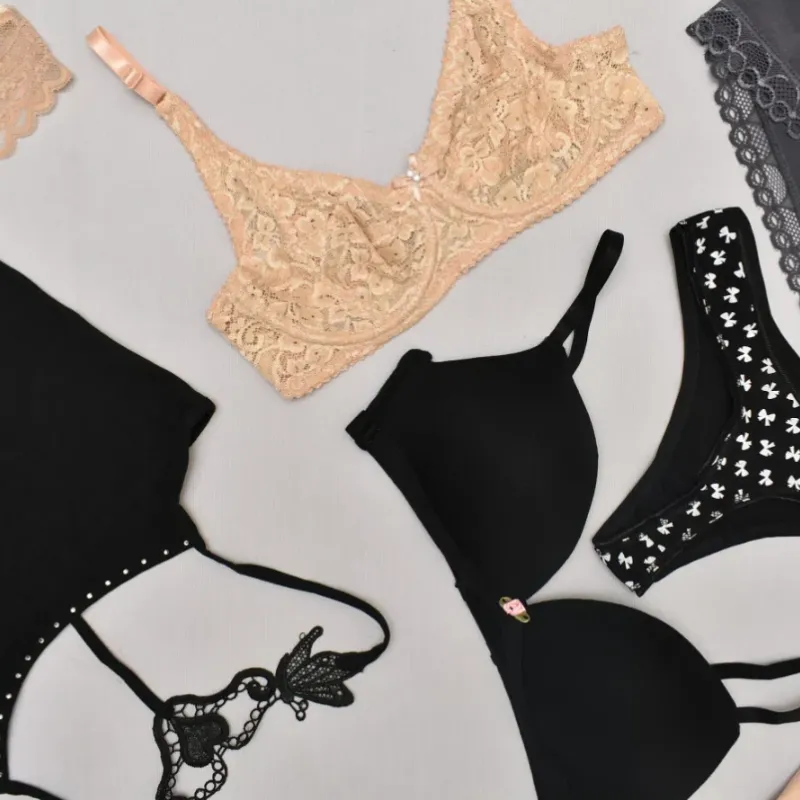
Underwear Manufacturers
$0.00
Ex Tax: $0.00
  • Stock: In Stock
  • Model: 2.5.1
Create unlimited custom product blocks and display them in accordions or tabs or open blocks. Each block can be assigned to all products at once or specific products according to advanced criteria.

Shenzhou International Group

Gildan Activewear Inc.

Regina Miracle International (Holdings) Limited

Crystal International Group Limited

Wacoal Holdings Corp.

Aimer Co., Ltd.

Eclat Textile Co. Ltd.

Fruit of the Loom, Inc.

Langsha Knitting Co., Ltd.

Zhejiang Jasan Holding Group Co., Ltd.

Intimates & Hosiery Manufacturers
Global Intimates & Hosiery Manufacturers Ranking | Verity Rank
Discover the world’s top 10 intimates & hosiery manufacturers. Capacity, clients, tech moats—no fluff. Trusted by sourcing pros and investors.
intimates manufacturers, hosiery manufacturers, apparel ranking, lingerie suppliers, sock manufacturers, private label factories, Gildan, Regina Miracle, Crystal International, Shenzhou

Write a review

Please login or register to review

Builder in Product TAB

NEW! Since Journal 3.2, the much improved T.A.B (Tabs Accordion Blocks) system supports the page builder inside the tab content. Unlimited Blocks, Tabs or Accordions with any HTML content or the builder interface (supporting custom rows/columns/modules) can be assigned to any individual product or to certain groups of products, like entire categories, brands, products with specific options, attributes, price range, etc.You can indicate any criteria via the advanced product assignment mechanism and only those products matching your criteria will display the modules.Also, any module can be selectively activated per device (desktop/tablet/phone), customer login status and other criteria. Imagine the possibilities.

FAQ

Verity Rank is committed to delivering authentic, transparent, and verifiable industry insights. This ranking is not based on subjective opinions but on a rigorous multi-dimensional evaluation model. We systematically collect and cross-verify public data and authoritative information from global sources, conducting quantitative analysis on key dimensions for each company, including financial performance, market influence, supply chain control, consumer sentiment, and innovative sustainability. Our data sources include, but are not limited to: public financial filings of listed companies, reports from international market research authorities, statistics from government and industry bodies, specialized research from leading universities and think tanks, as well as global public sentiment and search trend data integrated via AI technology. All data undergoes cleaning and weighted calculation to ensure the objectivity and neutrality of the final ranking, presenting you with a credible panorama of the industry.
The underwear industry, also known as the intimates or hosiery industry, encompasses the design, manufacturing, and retail of garments worn directly against the skin beneath outer clothing. It is far more diverse than most consumers realize, spanning multiple categories that serve different functional and aesthetic needs.
1. Core Product Categories
The industry is broadly divided into several key segments:
• Women's Underwear: This is the largest and most diverse segment, including bras (wirefree, push-up, sports, seamless, nursing), panties (high-waisted, thongs, boyshorts, seamless), and bra & panty sets.
• Men's Underwear: A significant global market, comprising boxer briefs, briefs, boxers, trunks, and undershirts, with growing demand for cooling and anti-odor technologies.
• Functional Wear: This includes shapewear and waist trainers for body contouring, postpartum recovery garments, thermal underwear for cold weather, and UV protection base layers.
• Loungewear: A rapidly growing category blurring the line between innerwear and outerwear, including pajama sets, robes, and comfortable at-home wear.
• Hosiery: Covering both basic socks and tights, as well as functional options like compression socks and athletic performance socks.
2. Industry Scale and Scope
The global underwear market is a multi-billion dollar industry, valued at approximately $85-90 billion annually, with projections to exceed $120 billion by 2030. It is driven by a combination of basic necessity and evolving fashion trends. The industry employs millions worldwide, from textile engineers and designers to factory workers and retail staff.
3. Market Segmentation
The industry can be segmented by:
• Price Point: Mass-market (affordable basics), mid-range (quality and fashion balance), and premium/luxury (high-end materials, designer labels).
• Distribution Channel: Traditional brick-and-mortar (department stores, specialty lingerie shops), online direct-to-consumer (DTC) brands, and mass merchandisers.
• Consumer Demographics: Products are tailored for different ages, body types, and life stages (e.g., tween first bras, maternity wear, post-mastectomy lingerie).
Understanding the underwear industry means recognizing it as a complex ecosystem where textile science, fashion design, and consumer psychology intersect to create products that are both deeply personal and universally necessary.
The underwear industry has undergone a revolutionary transformation over the past decade, shifting from a focus on external aesthetics to an obsession with internal comfort. This change reflects broader societal shifts in how consumers view their bodies and what they value in their clothing.
1. The "Comfort Revolution"
The most significant change is the move away from restrictive undergarments toward liberating comfort. The decline of the push-up bra and the rise of the bralette tell this story perfectly. Wirefree, seamless, and "one-size" bras now dominate the market, driven by brands like Ubras and Lively that made comfort their core value proposition. This isn't just a trend—data shows that "seamless" and "wirefree" claims now appear on nearly 50% of online bra listings globally.
2. From "For Him" to "For Me"
Marketing has fundamentally changed. For decades, brands like Victoria's Secret built empires on the idea of "sexy for him." Today's consumers reject this notion. They want underwear that makes them feel confident, comfortable, and authentic—for themselves. This shift has forced brands to rethink their imagery, messaging, and product development. Campaigns now feature diverse body types, ages, and ethnicities, celebrating real women rather than unattainable ideals.
3. Technology as a Differentiator
Underwear is no longer just fabric stitched together; it's a technological product. Innovations in fabric technology have created new categories:
• Moisture-wicking and antibacterial fabrics keep wearers fresh all day.
• Cooling technologies use mineral-infused yarns to lower skin temperature.
• Seamless knitting eliminates chafing and creates a "second-skin" feel.
• Smart fabrics can now regulate temperature, repel odors, and even monitor biometrics.
4. The Rise of Niche and Inclusive Brands
The dominance of a few major players has given way to a fragmented market filled with niche brands serving specific needs. ThirdLove focuses on half-cup sizes for better fit. TomboyX serves the LGBTQ+ community with gender-neutral styles. Knix targets active women with leakproof underwear. This specialization has forced traditional brands to broaden their size ranges and product offerings, creating a more inclusive market overall.
The transformation of the underwear industry mirrors a broader cultural shift toward authenticity, comfort, and self-acceptance. The future belongs to brands that understand this new consumer mindset.
When you buy a Calvin Klein bra or a pair of Nike sports underwear, have you ever wondered who actually sewed the fabric together? In most cases, it wasn't the brand whose name is on the label. Understanding the difference between brands and manufacturers reveals the true structure of the global underwear industry.
1. The Brand: Design, Marketing, and Retail
Brands are the face of the industry. Companies like Victoria's Secret, Calvin Klein, and Aimer excel at:
• Product Design and Development: They conceptualize new styles, choose materials, and define the aesthetic direction of their collections.
• Marketing and Brand Building: They create the imagery, campaigns, and stories that make consumers desire their products. This includes everything from fashion shows to social media influencers.
• Retail and Consumer Experience: They operate stores, manage e-commerce platforms, and handle customer service. They own the relationship with the end consumer.
What most brands do not own is factories. The vast majority of fashion brands operate on an "asset-light" model, meaning they don't invest in production facilities. Instead, they focus their capital on design and marketing.
2. The Manufacturer: Engineering and Production
Manufacturers are the hidden giants working behind the scenes. Companies like Shenzhou International, Regina Miracle, and Gildan are experts in:
• Textile Engineering: They often develop proprietary fabrics and production techniques. Regina Miracle, for example, pioneered the seamless molding technology used in countless sports bras.
• Mass Production: They operate enormous factories across Asia, Central America, and other regions, capable of producing millions of garments with consistent quality.
• Supply Chain Management: They source raw materials, manage labor forces, and ensure timely delivery to brands around the world.
These manufacturers typically work with multiple competing brands simultaneously, maintaining strict confidentiality and separate production lines.
3. Three Main Business Models
The relationship between brands and manufacturers follows several patterns:
• OEM (Original Equipment Manufacturing): The brand provides the design specifications, and the manufacturer simply produces exactly what they are told. This is common for basic, commodity items.
• ODM (Original Design Manufacturing): The manufacturer proposes designs and materials to brands, who then select and order them. Many private-label programs work this way.
• Vertical Integration: Some companies, like Hanesbrands and Wacoal, own their own factories. This "vertical" model gives them greater control over quality and costs but requires significant capital investment.
4. Why This Separation Exists
The separation of brands and manufacturers allows each to focus on what they do best. Brands excel at understanding consumers and creating desire. Manufacturers excel at complex engineering and efficient production. This specialization has created the globalized, efficient supply chain that delivers affordable, high-quality underwear to consumers worldwide.
With countless brands and price points, how can you tell if that bra or pair of boxers is truly well-made? Quality in underwear is not about the price tag alone—it's about the materials, the construction, and how the garment performs over time. Here's what experts look for when evaluating underwear quality.
1. Fabric: The Foundation of Quality
The material determines comfort, durability, and performance:
• Cotton: Look for higher thread counts and long-staple cotton (like Egyptian or Supima), which feels softer and resists pilling better than standard cotton. Organic cotton indicates attention to sustainable practices.
• Modal, TENCEL™, and Microfiber: These wood-based and synthetic fibers should feel smoothly woven, not flimsy or paper-thin. High-quality versions have a substantial weight and drape beautifully.
• Lace and Embellishments: Quality lace feels soft against the skin, not scratchy or stiff. Embellishments should be securely attached with reinforced stitching, not dangling by a single thread.
• Elastic Fibers (Spandex/Elastane): The recovery is critical. Stretch the fabric and release it; high-quality elastic snaps back to its original shape immediately. If it stays stretched out, the garment will lose its fit quickly.
2. Construction: How It's Made
The way a garment is put together determines its longevity:
• Seams and Stitching: Examine the seams. Quality underwear uses flatlock or reinforced stitching that lies flat against the skin to prevent chafing. Look for consistent stitch density (more stitches per inch usually means stronger seams) and no loose threads.
• Straps and Adjusters: Bra straps should be adjustable with smooth-sliding hardware that feels substantial, not flimsy plastic. The attachment points where straps meet the cup should be reinforced with bar-tacking or similar techniques.
• Elastic Edges: The elastic around leg openings and waistbands should be wide enough to stay in place without digging in. Quality elastic is often covered with fabric (like in fold-over elastics) for comfort.
• Cup Construction (for Bras): Molded cups should hold their shape when removed from the drawer. Seamed cups (like those with three-part construction) often provide better support and shaping but require more skilled manufacturing.
3. Fit and Performance Testing
Ultimately, quality reveals itself when worn:
• Wash and Wear: A quality garment survives multiple washes without losing shape, fading, or pilling. Check care labels—many higher-end pieces recommend hand-washing to preserve delicate materials.
• All-Day Comfort: Quality underwear should be forgettable. You shouldn't feel constant tugging, pinching, or slipping throughout the day. It should move with you, not against you.
• Support Longevity: A quality bra maintains its support for 6-12 months of regular wear before the elastic begins to fatigue. Cheaper bras may lose their lift and shape within weeks.
4. Certifications as Quality Indicators
Third-party certifications can signal quality and safety:
• OEKO-TEX Standard 100: Guarantees the product is free from harmful chemicals.
• GOTS (Global Organic Textile Standard): Ensures organic status and responsible production.
• Bluesign: Certifies that the manufacturing process meets strict environmental and consumer safety standards.
Understanding these elements helps you look beyond marketing claims and evaluate underwear on its true merits—how it feels, how it fits, and how long it lasts.
When shopping for underwear, you may have noticed small labels like "OEKO-TEX" or "GOTS" on tags. These aren't just marketing decorations—they are independent certifications that verify important claims about product safety, environmental responsibility, and ethical manufacturing. Understanding these certifications helps you make informed choices that align with your values.
1. OEKO-TEX Standard 100: The Safety Standard
This is the most widely recognized certification for textile product safety.
• What it verifies: The STANDARD 100 by OEKO-TEX certifies that every component of the product—fabric, threads, buttons, zippers, and even prints—has been tested for harmful substances. This includes regulated and non-regulated chemicals that could be dangerous to human health, such as pesticides, heavy metals, and formaldehyde.
• Why it matters: Underwear is worn against the most sensitive areas of your skin for hours at a time. An OEKO-TEX certification gives you confidence that the garment won't expose you to harmful chemicals. It's particularly important for baby clothing and for individuals with sensitive skin or allergies.
• Product classes: The certification has four product classes, with Class I (baby products) having the strictest requirements. Underwear typically falls under Class II (close contact with skin).
2. GOTS: The Organic and Ethical Gold Standard
The Global Organic Textile Standard is the world's leading processing standard for textiles made from organic fibers.
• What it verifies: GOTS covers the entire supply chain. It ensures that:
  • The product contains a minimum of 70% certified organic fibers (with a "organic" label requiring 95%+).
  • All chemical inputs (like dyes and auxiliaries) meet strict environmental and toxicological criteria.
  • Social criteria are met, based on International Labour Organization (ILO) key norms, ensuring safe and fair working conditions.
  • Environmental management systems are in place, including wastewater treatment.
• Why it matters: GOTS is a holistic certification. When you see a GOTS label, you're not just getting organic cotton; you're supporting a product that was made ethically from farm to finished garment, with minimal environmental impact.
3. Bluesign: The System for Sustainable Textile Production
Bluesign is a comprehensive system that audits the entire production chain, from raw materials to finished product.
• What it verifies: Bluesign focuses on "Input Stream Management." It works with manufacturers to eliminate harmful substances from the very beginning of the production process, rather than testing for them at the end. It ensures:
  • Responsible use of resources (energy and water).
  • Consumer safety (no harmful substances in the final product).
  • Air and water emissions during production are within safe limits.
  • Occupational health and safety for workers.
• Why it matters: Bluesign certification indicates that the entire manufacturing facility operates sustainably. It's a more rigorous, systems-level approach to environmental responsibility.
4. Fair Trade Certified: Focus on Producer Livelihoods
Fair Trade certification focuses specifically on the economic and social well-being of farmers and workers.
• What it verifies: It ensures that producers in developing countries receive fair prices for their products and that workers enjoy safe conditions and fair wages. It also includes premiums that communities can invest in local development projects.
• Why it matters: For underwear made from cotton, Fair Trade certification means the farmers who grew that cotton were paid fairly and work under dignified conditions.
5. B Corp: The Holistic Business Certification
While not product-specific, the B Corp certification applies to the entire company.
• What it verifies: B Corps are legally required to consider the impact of their decisions on all stakeholders—workers, customers, communities, and the environment—not just shareholders. The certification process is rigorous and transparent.
• Why it matters: When you buy from a B Corp, you're supporting a company that has baked social and environmental responsibility into its legal structure.
These certifications provide a shortcut to trust. In an industry filled with vague claims of "eco-friendly" or "natural," independent certifications offer concrete, verifiable proof that a product meets specific, meaningful standards.