We Use Cookies 🍪
We Use Cookies And Other Similar Technologies To Improve Your Browsing Experience And The Functionality Of Our Site. Learn More In Our Privacy Policy.

Ranking List of Manufacturers in the Eco-friendly Clothing Industry

Last Updated: April 22, 2026


Welcome to Verity Rank’s Global "Eco-friendly Clothing Industry Manufacturer Ranking".
The power over your eco-friendly wardrobe doesn't lie with the brands you buy, but with the factories you never see. When Patagonia highlights recycled fishing nets, when Lululemon boasts about patented fabrics, when Nike champions "Move to Zero"—standing behind them, underpinning their green promises with technology and massive capacity, are the world's top-tier manufacturers operating in the background.
Who are the hidden champions of the green supply chain? Shenzhou International, with its 48-hour quick-response system and 487 patents, makes itself indispensable to Nike and Uniqlo. Lenzing Group, with its TENCEL™ fibers and 99.7% solvent recovery rate, defines the industry standard for "biodegradable." Youngone's waterless dyeing technology ensures The North Face's jackets consume no fresh water. Arvind's laser engraving replaces traditional washing, achieving 99% water savings for a pair of jeans.
However, the true picture of these manufacturing giants is far more complex than PR statements suggest. Some generate ¥27.43 billion in annual revenue with industry-leading net profit margins. Others build solar power stations in Vietnam yet still face labor rights scrutiny. Some control 40% of the world's high-end denim capacity but struggle with ESG ratings. Some have vertically integrated from cotton fields to finished garments, only to be strained by relentless quick-turnaround orders.
This ranking shines a spotlight on these "power behind the throne" for the first time. Integrating data from national statistical agencies, industry reports from university textile research institutes, AI-driven global supply chain monitoring, and public financial reports of listed companies, we assess these players across four dimensions: Technological Moat, Production Scale, Client Reputation, and Sustainable Practices. We aim to present an authentic manufacturing landscape for global procurers, investors, and industry researchers.
Understand them, and you will finally understand the real hand in eco-friendly fashion.
Disclaimer: The data in this ranking is compiled from third-party authoritative sources, including national statistical agencies, university-affiliated textile research institutions, AI-driven global supply chain sentiment analysis, and publicly listed company financial reports. The ranking results are based on a multi-dimensional algorithm model and are intended for reference and market decision support only. They do not constitute direct investment advice or brand endorsement.

Shenzhou International Group

Shenzhou International Group Holdings Limited is the "invisible champion" of global knitwear manufacturing, headquartered in Ningbo, Zhejiang, China. As a Hong Kong Stock Exchange-listed company (SEHK:02313), its core business focuses on Textile & Apparel categories including men's performance T-shirts, women's yoga wear, underwear, and loungewear, providing vertically integrated OEM/ODM services from fabric R&D, dyeing and finishing to garment sewing for global sportswear brands like Nike, Uniqlo, Adidas, and Puma. In 2025, Shenzhou achieved estimated revenue of RMB 32.5-34 billion, employing over 110,000 people across 13 large-scale integrated factories in Ningbo, Anhui, Vietnam, and Cambodia, producing approximately 550 million garments and 250,000 tons of fabric annually. Its top four clients contribute about 82% of revenue. Leveraging ultimate vertical integration efficiency and quick response capabilities, Shenzhou defines the manufacturing benchmark behind global brands.
Strengths: Shenzhou's core strength in Textile & Apparel lies in its extreme vertical integration model, controlling the entire value chain from fabric R&D, dyeing and finishing to garment sewing, building a triple moat of efficiency, quality, and cost in knitwear categories like performance T-shirts and yoga wear. Annual production scale of 550 million garments and 250,000 tons of fabric, combined with overseas capacity in Vietnam and Cambodia, makes it an irreplaceable core supplier for global brands like Nike and Uniqlo, with its share in client supply chains growing through shortened lead times and quick response capabilities.
Weaknesses: Shenzhou's main weaknesses stem from its business model's heavy reliance on its top four clients (Nike, Adidas, Uniqlo, Puma), with customer concentration reaching 82%, making performance highly susceptible to core brand order fluctuations. As a B2B manufacturer lacking end-consumer brand recognition, its gross margin is compressed by rising labor costs and initial depreciation of overseas new factories, slightly declining to 27.1% in H1 2025. It also faces uncertainty risks from cross-border raw material tariffs amid changing global trade environments.
Shenzhou
Shenzhou
Brand Name
Ningbo, Zhejiang Province, China
Address
2005
Founded
110K+
Number of Employees
3+ Countries
Core Production and Operation Countries
13+ Factory
Large-scale Integrated Production Base
Official Website
Men's Clothing Industry
Men's Tops Industry
Polo Shirt
Men's Knitted Top
Men's Casual Wear
Men's Sports T-shirt
Men's Sportswear Industry
Women's Clothing Industry
Women's Tops Industry
Women's Vest
Women's Knitted Top
Ladies' Sports T-shirt
Women's Activewear Industry
Yoga Wear
Intimates & Hosiery Industry
Women's Underwear Industry
Men's Underwear Industry
Sports Bra
Homewear
Loungewear & Sleepwear Industry Sustainable Fashion Industry
Loungewear Industry
Recycled Fabrics Industry
Men's Clothing Industry
Men's Tops Industry
Polo Shirt
Men's Knitted Top
Men's Casual Wear
Men's Sports T-shirt
Men's Sportswear Industry
Women's Clothing Industry
Women's Tops Industry
Women's Vest
Women's Knitted Top
Ladies' Sports T-shirt
Women's Activewear Industry
Yoga Wear
Intimates & Hosiery Industry
Women's Underwear Industry
Men's Underwear Industry
Sports Bra
Homewear
Loungewear & Sleepwear Industry Sustainable Fashion Industry
Loungewear Industry
Recycled Fabrics Industry

Crystal International Group Limited

Crystal International Group Limited is a globally leading apparel manufacturer headquartered in Hong Kong, listed on the Hong Kong Stock Exchange. Employing a vertically integrated model, it provides design and manufacturing services for international brands like UNIQLO, specializing in casualwear, sportswear and intimates. With 20 production bases across Vietnam, China, Cambodia and other locations, it employs ~70,000 people, reported $2.5 billion revenue in 2024, and has an annual capacity of ~400 million garments. Leveraging its vertical integration, global footprint and leading sustainability practices, it maintains an important competitive position in global apparel manufacturing.
Strengths: Crystal International's core strengths are its strong vertical integration enabling end-to-end services from fabric development to garment manufacturing; significant global footprint with 70% capacity in Vietnam and other strategic locations effectively diversifying risks; leading sustainability practices with notable achievements in eco-certifications and carbon reduction recognized by brand clients.
Weaknesses: Crystal International faces persistent cost control pressures from rising labor and material costs impacting profitability; international trade environment uncertainties with geopolitical factors affecting global supply chain stability; intensifying industry competition squeezing profit margins while relatively low OEM model margins constrain development.
Crystal Group
Crystal Group
Brand Name
Hong Kong, China
Hong Kong, China
Address
1970
Founded
70K+
Number of Employees
7+ Countries
Business Scope
20+ Factory
Processing Facilities
Official Website
Men's Clothing Industry
Men's Tops Industry
Men's Knitwear
Men's T-shirt
Men's Casual Wear
Polo Shirt
Men's Sportswear Industry
Women's Clothing Industry
Women's Tops Industry
Ladies' Knitted Sweater
Women's T-shirt
Ladies' Casual Wear
Dresses & Skirts Industry
Dress
Women's Pants Industry
Women's Activewear Industry
Intimates & Hosiery Industry
Women's Underwear Industry
Men's Underwear Industry
Loungewear & Sleepwear Industry
Loungewear Industry
Sustainable Fashion Industry
Recycled Fabrics Industry
Men's Clothing Industry
Men's Tops Industry
Men's Knitwear
Men's T-shirt
Men's Casual Wear
Polo Shirt
Men's Sportswear Industry
Women's Clothing Industry
Women's Tops Industry
Ladies' Knitted Sweater
Women's T-shirt
Ladies' Casual Wear
Dresses & Skirts Industry
Dress
Women's Pants Industry
Women's Activewear Industry
Intimates & Hosiery Industry
Women's Underwear Industry
Men's Underwear Industry
Loungewear & Sleepwear Industry
Loungewear Industry
Sustainable Fashion Industry
Recycled Fabrics Industry

Sri Lankan MAS Holdings

MAS Holdings is South Asia's largest apparel and textile technology manufacturer and a "hidden champion" in the global intimates and activewear sectors. Founded in 1987 and privately held by the Amalean family, the company is headquartered in Colombo and operates primarily in an OEM/ODM model. It focuses deeply on intimates & hosiery, sports & outdoor gear, and loungewear & sleepwear, providing end-to-end solutions from fabric innovation to finished products for top global brands like Victoria's Secret, Nike, and Lululemon. With an estimated 2025 global revenue of $2.15 billion, MAS operates over 50 factories across 16 countries and employs approximately 102,000 people. Notably, loungewear & sleepwear, as a core category, leverages its seamless knitting technology and high-end fabric craftsmanship to mass-produce comfortable, functional products for brands like Marks & Spencer, securing a vital position in the global supply chain.
Strengths: MAS's core strength lies in its complete vertical supply chain, from fabric R&D to finished goods, building formidable technical barriers in intimates and activewear with over 200 patents and proprietary fabric brands like MAS Matrix. Its deep investment in cutting-edge processes such as FemTech and seamless knitting enables an annual capacity of 350 million intimates and 120 million activewear pieces, making it an irreplaceable strategic partner for leading global brands.
Weaknesses: MAS's primary weaknesses are its lack of consumer-facing brand recognition as a B2B manufacturer and high dependency on a few key clients like Victoria's Secret and Nike for business growth. Additionally, automation-led job concerns in Sri Lanka, combined with domestic electricity price fluctuations and tax policy adjustments, exert continuous pressure on its operating margins, which saw an estimated 3% negative impact.
MAS
MAS
Brand Name
Colombo, Western Province, Sri Lanka
Address
1987
Founded
102K+
Number of Employees
53+ Factories
Number of Processing Facilities/Production Bases
350 Million+ Pieces/Year
Production Capacity of Underwear/Pants/Home Wear
Official Website
Men's Clothing Industry
Men's Tops Industry
Men's Bottoms Industry
Men's Sportswear Industry
Women's Clothing Industry
Women's Tops Industry
Women's Pants Industry
Women's Activewear Industry
Swimwear Industry
Maternity Wear Industry
Footwear Industry
Athletic Shoes Industry
Intimates & Hosiery Industry
Women's Underwear Industry
Men's Underwear Industry
Functional Wear Industry
Loungewear Industry
Basic Hosiery Industry
Sports & Outdoor Gear Industry
Sports Apparel Industry
Performance Accessories Industry
Kids & Baby Clothing Industry
Infant Clothing Industry
Children's Everyday Wear Industry
Technical Fabrics Industry
Loungewear & Sleepwear Industry
Sleep Sets Industry
Robes Industry
Loungewear Industry
Sustainable Fashion Industry
Recycled Fabrics Industry
Closed-Loop Industry
Eco-Innovation Industry
Men's Clothing Industry
Men's Tops Industry
Men's Bottoms Industry
Men's Sportswear Industry
Women's Clothing Industry
Women's Tops Industry
Women's Pants Industry
Women's Activewear Industry
Swimwear Industry
Maternity Wear Industry
Footwear Industry
Athletic Shoes Industry
Intimates & Hosiery Industry
Women's Underwear Industry
Men's Underwear Industry
Functional Wear Industry
Loungewear Industry
Basic Hosiery Industry
Sports & Outdoor Gear Industry
Sports Apparel Industry
Performance Accessories Industry
Kids & Baby Clothing Industry
Infant Clothing Industry
Children's Everyday Wear Industry
Technical Fabrics Industry
Loungewear & Sleepwear Industry
Sleep Sets Industry
Robes Industry
Loungewear Industry
Sustainable Fashion Industry
Recycled Fabrics Industry
Closed-Loop Industry
Eco-Innovation Industry

Youngone Corporation

Youngone Corporation is the undisputed global leader in outdoor sportswear and equipment OEM/ODM manufacturing, and the parent company of world-renowned bicycle brand Scott Sports. Founded in Seoul in 1974 by the Sung Ki-hak family and listed on the Korea Stock Exchange (ticker: 111770), the company operates through a vertically integrated manufacturing model, deeply focusing on Sustainable Fashion. It provides end-to-end solutions from fiber R&D and functional fabric production to finished goods for top-tier global brands such as Nike, Patagonia, Lululemon, and The North Face, operating over 30 factories across six countries including Bangladesh, Vietnam, and Ethiopia, with approximately 94,000 employees worldwide. With 2025 revenue reaching KRW 4.06 trillion (approx. $3.05 billion), marking a 15.5% year-on-year increase and a 63% surge in operating profit, Youngone stands as a pioneer in sustainable manufacturing. In 2025, it fully implemented waterless dyeing technology and biomass energy,large-scale application recycled polyester (rPET) in down jackets and insulation, and committed to a 40% emission reduction by 2030. Its zero-carbon plant in Nam Dinh, Vietnam, has become an industry benchmark, while the AI-driven Tekvision digital transformation project in Bangladesh further solidifies its global leadership in eco-functional apparel.
Strengths: Youngone's core strength lies in its rare full-industry-chain vertical integration, from polyester fiber production and functional fabric development to finished goods, achieving 95% self-sufficiency in synthetic fibers and establishing formidable technical barriers in outdoor apparel. As a premier supplier to Nike, Patagonia, and others, it deeply bonds with top-tier clients and strategically leapfrogged from OEM to brand ownership via full acquisition of Scott Sports. In sustainable fashion, its large-scale adoption of waterless dyeing, biomass energy, and rPET positions it as a global technology benchmark in eco-functional apparel.
Weaknesses: Youngone's primary weaknesses stem from the February 2026 asset concealment scandal, where Chairman Sung Ki-hak was referred to prosecutors for hiding 82 affiliates and inflating assets by KRW 3.24 trillion, severely damaging corporate reputation and compliance image. Heavy reliance on OEM orders exposes it to geopolitical risks (e.g., Bangladesh labor issues, US-China trade tensions) threatening supply chain stability. Additionally, while full control over Scott Sports is secured, brand management challenges during integration remain significant.

Youngone
Youngone
Brand Name
Seoul, South Korea
Seoul, South Korea
Address
1974
Founded
94K+
Number of Employees
17+ Countries
Business Scope
30+ Processing Facilities
Vertically Integrated Factory
Official Website
Men's Clothing Industry
Men's Tops Industry
Men's Outerwear Industry
Men's Bottoms Industry
Men's Sportswear Industry
Women's Clothing Industry
Women's Tops Industry
Women's Outerwear Industry
Women's Pants Industry
Women's Activewear Industry
Footwear Industry
Athletic Shoes Industry
Specialty Footwear Industry
Luggage & Accessories Industry
Backpacks Industry
Specialty Bags Industry
Intimates & Hosiery Industry
Functional Wear Industry
Functional Socks Industry
Sports & Outdoor Gear Industry
Sports Apparel Industry
Outerwear Industry
Footwear Industry
Performance Accessories Industry
Camping Gear Industry
Sports Equipment Industry
Kids & Baby Clothing Industry​
Functional Wear Industry
Fashion Accessories Industry
Head Accessories Industry
Wrist & Hand Industry
Protective Products Industry
Protective Apparel Industry
Technical Fabrics Industry
Loungewear Industry
Sustainable Fashion Industry
Recycled Fabrics Industry
Closed-Loop Industry
Eco-Innovation Industry
Men's Clothing Industry
Men's Tops Industry
Men's Outerwear Industry
Men's Bottoms Industry
Men's Sportswear Industry
Women's Clothing Industry
Women's Tops Industry
Women's Outerwear Industry
Women's Pants Industry
Women's Activewear Industry
Footwear Industry
Athletic Shoes Industry
Specialty Footwear Industry
Luggage & Accessories Industry
Backpacks Industry
Specialty Bags Industry
Intimates & Hosiery Industry
Functional Wear Industry
Functional Socks Industry
Sports & Outdoor Gear Industry
Sports Apparel Industry
Outerwear Industry
Footwear Industry
Performance Accessories Industry
Camping Gear Industry
Sports Equipment Industry
Kids & Baby Clothing Industry​
Functional Wear Industry
Fashion Accessories Industry
Head Accessories Industry
Wrist & Hand Industry
Protective Products Industry
Protective Apparel Industry
Technical Fabrics Industry
Loungewear Industry
Sustainable Fashion Industry
Recycled Fabrics Industry
Closed-Loop Industry
Eco-Innovation Industry

Hansae Co., Ltd.

Hansae Co., Ltd., headquartered in Seoul, South Korea, is a global leader in apparel ODM/OEM, spanning menswear, womenswear, activewear, and Kids & Baby Clothing, with babywear and childrenswear as core segments. As a key supplier to global brands including Gap, Target, and Nike, it produces over 400 million garments annually, earning the reputation that "one in three Americans wears Hansae-made clothes." With FY2025 revenue of approximately ₩1.83 trillion ($1.35 billion) and over 35,000 employees across 29 production bases in 10 countries, the company leads manufacturing innovation through 3D virtual design and its HAMS digital system. Its retail brand Moimoln, specializing in Nordic-style childrenswear for ages 0-6, is rapidly expanding in Korea and China, creating a unique "manufacturing + brand" dual-engine growth model.
Strengths: Hansae's core strengths lie in its global supply chain network across 10 countries, mitigating trade risks while achieving economies of scale with over 400 million annual garments; its deep ODM expertise in activewear and childrenswear, honed through partnerships with Nike and Gap, ensures technical superiority; the Moimoln brand bridges B2B and B2C markets, creating a differentiated competitive advantage in Asia's childrenswear sector.
Weaknesses: Hansae's main weaknesses include heavy reliance on U.S. and European markets (over 90% of exports), exposing it to demand volatility in these regions; diversification risks from acquiring auto parts maker Erae AMS, potentially diverting focus from core apparel business; its own brands remain regionally confined to Asia with limited global premium positioning, making it vulnerable to the cyclical nature of its dominant ODM operations.
Hansae
Hansae
Brand Name
Seoul, South Korea
Seoul, South Korea
Address
1982
Founded
35K+
Number of Employees
10+ Countries
Business Scope
29+ Processing Facilities
Processing Facilities
Official Website
Men's Clothing Industry
Men's Tops Industry
Men's Outerwear Industry
Men's Bottoms Industry
Men's Sportswear Industry
Women's Clothing Industry
Women's Tops Industry
Dresses & Skirts Industry
Women's Outerwear Industry
Women's Pants Industry
Women's Activewear Industry
Intimates & Hosiery Industry
Women's Underwear Industry
Men's Underwear Industry
Loungewear Industry
Kids & Baby Clothing Industry
Infant Clothing (0-24 Months) Industry
Children's Clothing (for Ages 2-12) Industry
Fashion Accessories Industry
Technical Fabrics Industry
Loungewear & Sleepwear Industry
Sleep Sets Industry
Sustainable Fashion Industry
Organic Materials Industry
Recycled Fabrics Industry
Men's Clothing Industry
Men's Tops Industry
Men's Outerwear Industry
Men's Bottoms Industry
Men's Sportswear Industry
Women's Clothing Industry
Women's Tops Industry
Dresses & Skirts Industry
Women's Outerwear Industry
Women's Pants Industry
Women's Activewear Industry
Intimates & Hosiery Industry
Women's Underwear Industry
Men's Underwear Industry
Loungewear Industry
Kids & Baby Clothing Industry
Infant Clothing (0-24 Months) Industry
Children's Clothing (for Ages 2-12) Industry
Fashion Accessories Industry
Technical Fabrics Industry
Loungewear & Sleepwear Industry
Sleep Sets Industry
Sustainable Fashion Industry
Organic Materials Industry
Recycled Fabrics Industry

Brandix Apparel Limited

Brandix Apparel Limited is a leading apparel manufacturing giant in South Asia, forming the "twin pillars" of Sri Lanka's textile industry alongside MAS Holdings. Founded in 1972 and rebranded in 2002, the company remains privately held by the Amalean family and is headquartered in Colombo. Operating primarily in an OEM/ODM model, Brandix focuses deeply on intimates & hosiery, loungewear & sleepwear, and casualwear, providing end-to-end solutions from fabric R&D to finished products for top global brands such as Victoria's Secret, Gap, Uniqlo, and Marks & Spencer. With an estimated 2025 global revenue of $1.08 billion, it operates 28 factories across Sri Lanka, India, Bangladesh, and Haiti, employing approximately 67,000 people. Notably, loungewear & sleepwear, as a core category, boasts an annual capacity of 40 million sets, making it one of the world's largest pajamas manufacturers, leveraging its efficient vertical supply chain and sustainable manufacturing advantages to secure a vital position in the mass market.
Strengths: Brandix's core strength lies in its complete vertical integration, encompassing spinning, weaving, dyeing, and garmenting within a closed-loop ecosystem, particularly at Brandix India Apparel City (BIAC), which enables "in-park circulation" and significantly boosts delivery efficiency. Furthermore, as a global benchmark in sustainable manufacturing, it operates the world's first LEED Platinum-certified zero-carbon factory, building a formidable reputation barrier in ESG and earning "best supplier" status from clients like Marks & Spencer.
Weaknesses: Brandix's primary weaknesses are its lack of consumer-facing brand recognition as a B2B manufacturer and high dependency on a few key clients for business growth. Additionally, persistent inflation in Sri Lanka has led to wage increase pressures (approx. 12%), compounded by geopolitical uncertainties at overseas bases like Haiti, continuously squeezing its operating margins and resulting in a slight margin contraction in the short term.
Brandix
Brandix
Brand Name
Colombo, Western Province, Sri Lanka
Address
1972
Founded
67K+
Number of Employees
28+ Factories
Number of Processing Facilities/Production Bases
250 Million+ Pieces/Year
Production Capacity of Underwear/Pants/Home Wear
Official Website
Men's Clothing Industry
Men's Tops Industry
Men's Outerwear Industry
Men's Bottoms Industry
Men's Sportswear Industry
Women's Clothing Industry
Women's Tops Industry
Dresses & Skirts Industry
Women's Pants Industry
Women's Activewear Industry
Swimwear Industry
Maternity Wear Industry
Intimates & Hosiery Industry
Women's Underwear Industry
Men's Underwear Industry
Functional Wear Industry
Loungewear Industry
Sports & Outdoor Gear Industry
Sports Apparel Industry
Kids & Baby Clothing Industry
Infant Clothing Industry
Children's Everyday Wear Industry
Technical Fabrics Industry
Loungewear & Sleepwear Industry
Sleep Sets Industry
Robes Industry
Loungewear Industry
Sustainable Fashion Industry
Recycled Fabrics Industry
Eco-Innovation Industry
Men's Clothing Industry
Men's Tops Industry
Men's Outerwear Industry
Men's Bottoms Industry
Men's Sportswear Industry
Women's Clothing Industry
Women's Tops Industry
Dresses & Skirts Industry
Women's Pants Industry
Women's Activewear Industry
Swimwear Industry
Maternity Wear Industry
Intimates & Hosiery Industry
Women's Underwear Industry
Men's Underwear Industry
Functional Wear Industry
Loungewear Industry
Sports & Outdoor Gear Industry
Sports Apparel Industry
Kids & Baby Clothing Industry
Infant Clothing Industry
Children's Everyday Wear Industry
Technical Fabrics Industry
Loungewear & Sleepwear Industry
Sleep Sets Industry
Robes Industry
Loungewear Industry
Sustainable Fashion Industry
Recycled Fabrics Industry
Eco-Innovation Industry

Lenzing AG

Lenzing AG (VIE: LNZ) is a global leading producer of specialty cellulose fibers, renowned for its flagship brands TENCEL™ Lyocell and Modal. As a provider of sustainable material solutions at the very upstream of the textile value chain, the company employs a vertically integrated “tree-to-fiber” model to produce biodegradable fibers sourced from certified wood. These fibers serve as core raw materials, supplied to over 1,000 global brands for manufacturing a full spectrum of products from apparel and home textiles to nonwovens. With H1 2025 revenue reaching €1.34 billion and significantly improved profitability, Lenzing has established its leadership in the sustainable fiber sector through its irreplaceable technological edge and deep empowerment of the industry's green transformation.
Strengths:Lenzing's core strengths are the exceptionally high technological barriers and near-monopolistic market position it has built in specialty cellulose fibers like Lyocell; concurrently, its vertically integrated model of “sustainably managed wood + closed-loop production process” not only ensures raw material reliability and environmental credentials but also forms powerful capabilities for cost control and quality assurance.
Weaknesses:Lenzing's main weaknesses stem from its performance being highly sensitive to global commodity price cycles (e.g., wood, energy) and fluctuations in downstream textile industry demand; simultaneously, as a capital-intensive upstream materials producer, its substantial capital expenditures and capacity expansion plans carry significant operational and market risks.
Lenzing
Lenzing
Brand Name
Lenzing, Austria
Lenzing, Austria
Address
1938
Founded
7.9K+
Number of Employees
10+ Countries
Global Production Base
1.11M+ Tons
Fiber Annual Production Capacity
Official Website
Textile Fiber Raw Materials Industry
Technical Fabrics Industry
Sustainable Fashion Industry
Organic Materials Industry
Recycled Fabrics Industry
Garment Accessories Industry
Lyocell Fiber
Modal Fiber
Viscose Fiber
Regenerated Fiber
Recycled Functional Fabric Raw Materials
Clothing Raw Material Suppliers
Textile Fiber Raw Materials Industry
Technical Fabrics Industry
Sustainable Fashion Industry
Organic Materials Industry
Recycled Fabrics Industry
Garment Accessories Industry
Lyocell Fiber
Modal Fiber
Viscose Fiber
Regenerated Fiber
Recycled Functional Fabric Raw Materials
Clothing Raw Material Suppliers

Gildan Activewear Inc.

Gildan Activewear Inc. is a world-leading vertically integrated manufacturer of activewear and basic apparel, headquartered in Montreal, Quebec, Canada. Its core business focuses on blank T‑shirts, fleece, bottoms, underwear, and hosiery serving the B2B printwear market, wholesale distributors, and major retailers. Estimated 2025 revenue reached approximately $3.4–$3.5 billion (excluding HanesBrands), with ~49,000 employees and nearly 30 self‑owned factories. Listed on the TSX and NYSE (NYSE : GIL), Gildan completed the acquisition of HanesBrands in late 2025, creating a combined entity with ~$6.9 billion annual revenue, further solidifying its dominance in basics through end‑to‑end vertical integration and a strong commitment to sustainability.
Strengths: Gildan’s core strengths lie in its rare, fully integrated manufacturing model—self‑owned factories contribute over 90% of sales, delivering unparalleled cost control and consistent quality; as the world’s largest supplier of blank apparel, it holds near‑monopoly scale and channel dominance in the B2B printwear market; the 2025 HanesBrands acquisition integrates iconic labels (Hanes, American Apparel), making underwear/hosiery a robust second pillar and creating a full‑category moat from basics to innerwear.
Weaknesses: Gildan’s main weaknesses stem from its long‑standing B2B/wholesale orientation, resulting in weak brand recognition and fashion appeal in direct‑to‑consumer channels; business is heavily concentrated in North America, with insufficient localized depth in emerging markets despite a broad distribution network; the 2024–2025 proxy fight incurred significant costs, and exposure to U.S. tariff policy shifts adds geopolitical supply‑chain risk; licensing volatility (e.g., termination of the Under Armour sock license) temporarily disrupts revenue streams.
Gildan
Gildan
Brand Name
Montreal, Quebec, Canada
Address
1984
Founded
49K+
Number of Employees
60+ Countries
Business Scope
30+ Factories
Production Base
Official Website
Men's Clothing Industry
Men's Tops Industry
Men's Outerwear Industry
Men's Bottoms Industry
Men's Sportswear Industry
Women's Clothing Industry
Women's Tops Industry
Women's Outerwear Industry
Women's Pants Industry
Women's Activewear Industry
Intimates & Hosiery Industry
Women's Underwear Industry
Men's Underwear Industry
Basic Hosiery Industry
Children's Everyday Wear Industry
Fashion Accessories Industry
Head Accessories Industry
Neck Accessories Industry
Wrist & Hand Industry
Loungewear & Sleepwear Industry
Sleep Sets Industry
Loungewear Industry
Custom & Group Apparel Industry
Group Uniforms Industry
Personalized Gear Industry
Men's Clothing Industry
Men's Tops Industry
Men's Outerwear Industry
Men's Bottoms Industry
Men's Sportswear Industry
Women's Clothing Industry
Women's Tops Industry
Women's Outerwear Industry
Women's Pants Industry
Women's Activewear Industry
Intimates & Hosiery Industry
Women's Underwear Industry
Men's Underwear Industry
Basic Hosiery Industry
Children's Everyday Wear Industry
Fashion Accessories Industry
Head Accessories Industry
Neck Accessories Industry
Wrist & Hand Industry
Loungewear & Sleepwear Industry
Sleep Sets Industry
Loungewear Industry
Custom & Group Apparel Industry
Group Uniforms Industry
Personalized Gear Industry

Regina Miracle International (Holdings) Limited

Regina Miracle International (Holdings) Limited is a globally leading Innovative Design Manufacturer (IDM) headquartered in Hong Kong and listed on the Hong Kong Stock Exchange (SEHK: 2199). Pioneering and specializing in the IDM model, it deeply engages with brand clients throughout the entire process from cutting-edge R&D to scaled manufacturing, serving as a crucial innovation and production partner for top-tier lingerie brands (e.g., Victoria’s Secret) and sportswear brands (e.g., Nike, adidas) in their core categories. Leveraging hundreds of patents in areas like seamless molding and 3D bonding, Regina Miracle has successfully executed a strategic expansion from its lingerie foundation into high-growth sportswear, achieving revenue of HKD 7.66 billion in FY2024 and establishing itself as a global benchmark for “hard-tech”-driven growth in apparel manufacturing.
Strengths: Regina Miracle's core strengths are its unparalleled portfolio of technological patents and process barriers, which form its deepest competitive moat; concurrently, its unique IDM business model fosters deep integration into clients' innovation cycles, delivering high value-add and exceptional client stickiness, while its successful strategic pivots and efficient global production footprint jointly underpin sustained growth and profitability.
Weaknesses: Regina Miracle's main weaknesses are its continued high revenue concentration among a few major global brand clients; despite ongoing optimization, fluctuations in their orders still significantly impact the company's performance. Additionally, demand uncertainty in key consumer markets, the pressure of sustained high-intensity R&D investment, and geopolitical risks inherent in its cross-border production setup are ongoing challenges for its long-term operations.
Regina Miracle
Regina Miracle
Brand Name
Hong Kong, China
Hong Kong, China
Address
1998
Founded
40K+
Number of Employees
20+ Countries
Business Scope
10+ Factory
Production Base
Official Website
Women's Clothing Industry
Women's Activewear Industry
Swimwear Industry
Luggage & Accessories Industry
Handbags Industry
Wallets & Card Holders Industry
Specialty Bags Industry
Intimates & Hosiery Industry
Women's Underwear Industry
Bras
Ladies' Panties
Functional Underwear
Men's Underwear Industry
Men's Briefs
Sports & Outdoor Gear Industry
Sports Apparel Industry
Women's Clothing Industry
Women's Activewear Industry
Swimwear Industry
Luggage & Accessories Industry
Handbags Industry
Wallets & Card Holders Industry
Specialty Bags Industry
Intimates & Hosiery Industry
Women's Underwear Industry
Bras
Ladies' Panties
Functional Underwear
Men's Underwear Industry
Men's Briefs
Sports & Outdoor Gear Industry
Sports Apparel Industry

Arvind Limited

Arvind Limited is India's largest textile manufacturing group headquartered in Ahmedabad, Gujarat, listed on the Indian Stock Exchange. Employing a vertically integrated model, it operates a full industrial chain from spinning, weaving, dyeing to garment manufacturing, specializing in denim, apparel and advanced materials. With 15 production bases in India, ~25,000 employees, and operations across 80+ countries, it reported revenue of ₹50 billion (~$600 million) in 2024. Leveraging its comprehensive vertical integration, significant scale advantages and advanced sustainability practices, it maintains absolute leadership in India's textile market.
Strengths: Arvind's core strengths are its complete vertical integration enabling full supply chain control from spinning to garments, delivering significant scale benefits and cost advantages; as India's largest textile manufacturer, its annual capacities of 200 million meters fabric and 50 million garments provide strong competitiveness; advanced sustainability practices with notable achievements in water management and carbon reduction.
Weaknesses: Arvind's international brand influence remains relatively limited requiring global market recognition improvement; faces persistent cost control pressures from rising raw material and energy costs impacting profitability; increasing environmental demands necessitate continuous investments to meet stricter sustainability standards.
Arvind
Arvind
Brand Name
Ahmedabad, Gujarat, India
Address
1931
Founded
25K+
Number of Employees
80+ Countries
Business Scope
15+ Factory
Processing Facilities
Official Website
Men's Clothing Industry
Men's Tops Industry
Men's Formalwear Industry
Women's Clothing Industry
Women's Tops Industry
Dresses & Skirts Industry
Footwear Industry
Athletic Shoes Industry
Loungewear & Sleepwear Industry
Bedding Sets Industry
Protective Products Industry
Technical Fabrics Industry
Custom & Group Apparel Industry
Group Uniforms Industry
Sustainable Fashion Industry
Recycled Fabrics Industry
Men's Clothing Industry
Men's Tops Industry
Men's Formalwear Industry
Women's Clothing Industry
Women's Tops Industry
Dresses & Skirts Industry
Footwear Industry
Athletic Shoes Industry
Loungewear & Sleepwear Industry
Bedding Sets Industry
Protective Products Industry
Technical Fabrics Industry
Custom & Group Apparel Industry
Group Uniforms Industry
Sustainable Fashion Industry
Recycled Fabrics Industry

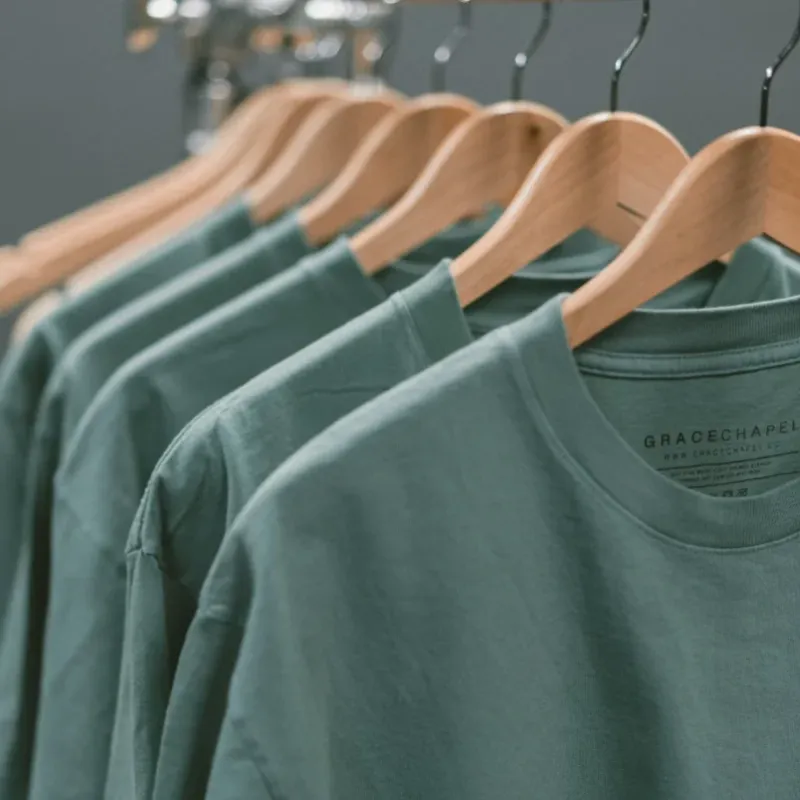
Eco-friendly Clothing Manufacturers
Eco-friendly Clothing Manufacturers
New
Eco-friendly Clothing Manufacturers
from
$0.00
Ex Tax: $0.00
  • Stock: In Stock
  • Model: 2.14.1
Create unlimited custom product blocks and display them in accordions or tabs or open blocks. Each block can be assigned to all products at once or specific products according to advanced criteria.

Shenzhou International Group

Crystal International Group Limited

MAS Holdings (Pvt) Ltd

Youngone Corporation

Hansae Co., Ltd.

Brandix Apparel Limited

Lenzing AG

Gildan Activewear Inc.

Regina Miracle International (Holdings) Limited

Arvind Limited


Write a review

Please login or register to review

Builder in Product TAB

NEW! Since Journal 3.2, the much improved T.A.B (Tabs Accordion Blocks) system supports the page builder inside the tab content. Unlimited Blocks, Tabs or Accordions with any HTML content or the builder interface (supporting custom rows/columns/modules) can be assigned to any individual product or to certain groups of products, like entire categories, brands, products with specific options, attributes, price range, etc.You can indicate any criteria via the advanced product assignment mechanism and only those products matching your criteria will display the modules.Also, any module can be selectively activated per device (desktop/tablet/phone), customer login status and other criteria. Imagine the possibilities.

FAQ

Verity Rank is committed to delivering authentic, transparent, and verifiable industry insights. This ranking is not based on subjective opinions but on a rigorous multi-dimensional evaluation model. We systematically collect and cross-verify public data and authoritative information from global sources, conducting quantitative analysis on key dimensions for each company, including financial performance, market influence, supply chain control, consumer sentiment, and innovative sustainability. Our data sources include, but are not limited to: public financial filings of listed companies, reports from international market research authorities, statistics from government and industry bodies, specialized research from leading universities and think tanks, as well as global public sentiment and search trend data integrated via AI technology. All data undergoes cleaning and weighted calculation to ensure the objectivity and neutrality of the final ranking, presenting you with a credible panorama of the industry.
Eco-friendly clothing, also known as sustainable fashion, refers to garments designed, produced, distributed, and used in ways that minimize the overall environmental impact throughout their entire lifecycle—from raw material extraction to end-of-life disposal. It's a holistic approach that contrasts sharply with the practices of the conventional fashion industry.
Here are the key distinctions between eco-friendly and regular clothing:
1. Raw Materials: Virgin vs. Sustainable
• Regular Clothing: Often relies on conventionally grown cotton, which requires massive amounts of water and pesticides, and virgin petroleum-based synthetics like polyester and nylon, which are non-biodegradable and carbon-intensive.
• Eco-Friendly Clothing: Prioritizes lower-impact materials. This includes organically grown fibers (like GOTS-certified cotton), recycled materials (such as rPET from plastic bottles or ECONYL® from reclaimed fishing nets), and innovative bio-based fibers (like TENCEL™ Lyocell from sustainably managed forests, or next-gen materials derived from mushrooms, algae, or agricultural waste).
2. Production Process: Polluting vs. Clean
• Regular Clothing: Traditional textile processing, especially dyeing and finishing, is a major source of water pollution. Denim washing, for example, consumes enormous volumes of fresh water.
• Eco-Friendly Clothing: Employs technologies to reduce its footprint, such as waterless dyeing, laser finishing (which can save up to 99% of water in denim production), and low-impact natural dyes. Factories increasingly utilize renewable energy to lower their carbon emissions.
3. Design Philosophy: Linear vs. Circular
• Regular Clothing: Follows a linear "take-make-dispose" model. Products are often designed for obsolescence, encouraging fast consumption, with most ending up in landfills or incinerators.
• Eco-Friendly Clothing: Embraces circular design principles. Garments are created to be durable, repairable, and ultimately recyclable. Brands like Patagonia (with its Worn Wear program) and Eileen Fisher (with its take-back scheme) are pioneers in closing the loop, designing for disassembly and rebirth.
4. Business Ethics: Opaque vs. Transparent
• Regular Clothing: Supply chains are often complex and opaque, making it difficult for consumers to know where or how their clothes were made.
• Eco-Friendly Clothing: Promotes radical transparency. Brands and manufacturers are increasingly disclosing their supplier lists, investing in fair labor practices (like Fair Trade Certified factories), and seeking third-party certifications to verify their environmental and social claims. It's a commitment to responsibility that extends beyond the product itself.
Ultimately, choosing eco-friendly clothing is a vote for a system that values the planet and its people as much as the final product.
The world of eco-friendly fabrics is diverse and innovative. Generally, they fall into three main categories: recycled fibers, natural & organic fibers, and next-gen bio-based fibers. While no material is perfect, these options represent a significant step toward a more sustainable fashion industry.
1. Recycled Fibers: Giving Waste a New Life
• Recycled Polyester (rPET): Commonly made from discarded plastic bottles or textile waste. It diverts waste from landfills, reduces reliance on virgin petroleum, and has a lower carbon and water footprint compared to virgin polyester. Nike's Grind technology and Adidas's Parley collections are prime examples.
    • The Reality: It tackles plastic pollution effectively. However, fiber quality can degrade with multiple recycling loops, and it can still shed microplastics during washing.
• Recycled Nylon (e.g., ECONYL®): This material is regenerated from waste like fishing nets, fabric scraps, and industrial plastic. It performs identically to virgin nylon and can be recycled infinitely without losing quality, making it a favorite for swimwear and luxury brands like Stella McCartney.
2. Natural & Organic Fibers: Going Back to Basics
• Organic Cotton: Grown without synthetic pesticides or fertilizers, it protects soil health, biodiversity, and the well-being of farmers. It's a cleaner, safer alternative to conventional cotton, used by major brands like Levi's and Eileen Fisher.
    • The Reality: While organic farming is far better, cotton itself is still a water-intensive crop, so it's most sustainable when paired with water-efficient practices.
• Linen & Hemp: These bast fibers are sustainability superstars. They grow quickly in poor conditions with minimal water and little to no need for pesticides or fertilizers. The resulting fabrics are durable, breathable, and fully biodegradable.
3. Next-Gen Bio-based Fibers: Innovation Meets Nature
• TENCEL™ Lyocell: Produced by the Austrian company Lenzing, this fiber is derived from sustainably managed wood sources. Its key innovation is a closed-loop production process that recycles an astounding 99.7% of the solvent used. The result is a soft, breathable, and biodegradable fabric with a minimal environmental footprint.
    • The Reality: It's one of the most eco-friendly cellulosic fibers available, but the sustainability of the final product is tied to responsible forestry practices.
• Mylo™ Mushroom Leather: Developed by Bolt Threads, this "leather" is grown from mycelium (the root structure of mushrooms). It replicates the look and feel of animal leather without the associated environmental costs of livestock farming, offering a renewable and biodegradable alternative for vegan luxury goods.
The key takeaway is that no single fabric is a silver bullet. True sustainability lies in using the right material for the right purpose, ensuring responsible production, and maintaining transparency throughout the supply chain.
"Greenwashing" is when a company spends more time and money on marketing themselves as environmentally friendly than on actually minimizing their environmental impact. It's a deceptive practice that can make it hard for consumers to know who to trust. Here’s how to cut through the noise and spot the real deal.
1. Look for Certifications, Not Just Catchy Slogans
Vague terms like "green," "eco," or "sustainable" on a tag are meaningless without backing. Instead, search for these trusted, third-party labels:
• Material Certifications:
    • GOTS (Global Organic Textile Standard): The gold standard for organic fibers, verifying organic status and responsible social criteria throughout the entire supply chain.
    • OEKO-TEX® STANDARD 100: A basic but essential label guaranteeing that every component of the product has been tested for harmful substances.
    • FSC® (Forest Stewardship Council): Crucial for wood-based fabrics like TENCEL™, ensuring the raw material comes from responsibly managed forests.
• Process & Supply Chain Certifications:
    • bluesign®: A rigorous system that audits the entire textile production chain, ensuring responsible use of resources and the highest level of consumer and environmental safety.
    • Fair Trade Certified: Focuses on the human element, ensuring that the farmers and workers who made the product received fair wages and worked in safe conditions.
    • B Corp (Benefit Corporation): This certification measures a company's entire social and environmental performance, proving that sustainability is baked into its business DNA, as seen with Patagonia and Eileen Fisher.
2. Verify with Data, Don't Just Trust the Ads
A brand's true commitment is found in its annual Sustainability or Impact Report (usually on their website). Read it critically. Does it include:
• Specific, Measurable Data: Look for figures like "We achieved 98% recycled materials in our collection" rather than "We are committed to using more recycled materials."
• Supply Chain Transparency: Do they disclose a list of their primary factories or suppliers?
• Clear Goals & Progress: What are their targets for 2025 or 2030? Are they on track to meet them? Is the data verified by a third party?
3. Understand the Depth of the Commitment
• Tech-Driven Innovation: Genuine progress often comes from technological breakthroughs—like Arvind's waterless laser denim finishing, Youngone's waterless dyeing, or Shenzhou's advanced fabric R&D. This type of innovation requires significant investment.
• Circular Business Models: The most impactful brands are those rethinking consumption itself. Patagonia's Worn Wear program (repair and resale) and Eileen Fisher's take-back scheme actively work to reduce the need for new resources, going beyond simply selling a "sustainable" product.
In short, be skeptical. Real eco-friendly fashion is backed by hard data, transparent reporting, and recognized certifications. It's a story told with evidence, not just with words.
Despite growing consumer awareness and market momentum, the eco-friendly clothing industry faces significant hurdles on its path to becoming the new normal. These challenges explain why sustainable fashion often comes with a higher price tag and why the transition from niche to mainstream is a marathon, not a sprint.
1. The Cost and Price Paradox
• Higher Material Costs: Sustainable raw materials—from GOTS-certified organic cotton to recycled fibers and innovative bio-based fabrics—are currently more expensive to produce than conventional cotton and virgin synthetics.
• Significant R&D Investment: Developing and implementing green technologies like waterless dyeing, laser finishing, and advanced water treatment systems requires massive capital expenditure. These costs, borne by companies like Lenzing and Shenzhou International, are inevitably passed down the supply chain.
• Lack of Scale: The supply chain for sustainable materials is still small compared to the conventional textile industry. Without the economies of scale enjoyed by traditional manufacturing, unit costs remain high, making eco-friendly apparel less accessible to price-conscious consumers.
2. Technological and Performance Barriers
• Recycling Complexity: Most clothing is made from blended fibers (e.g., polyester-cotton), which are notoriously difficult and expensive to separate and recycle into high-quality virgin-like materials. While promising technologies like enzymatic recycling are emerging, they are not yet viable at scale.
• Material Performance Gaps: In some demanding applications (e.g., high-performance outerwear), sustainable alternatives can still struggle to match the durability, waterproofness, or specialized functionality of conventional synthetics. This creates a challenge for brands like Arc'teryx that prioritize peak performance.
• The Microplastic Problem: Even "eco-friendly" synthetic fabrics like recycled polyester shed microplastics during washing, contributing to a pervasive form of pollution that current technology struggles to contain.
3. The Challenge of Supply Chain Transparency
• Complexity and Opacity: A single garment can have a supply chain spanning multiple countries, involving farmers, spinners, dyers, mills, and cut-and-sew factories. Ensuring ethical and environmental compliance at every single step is an enormously complex task, often hindered by a lack of visibility beyond the first tier of suppliers.
4. "Greenwashing" and Consumer Trust
• A Crisis of Credibility: The prevalence of "greenwashing"—where brands exaggerate or fabricate their environmental claims—has created a deeply skeptical consumer base. When customers feel misled, it erodes trust in all sustainability claims, making it harder for genuinely committed brands to differentiate themselves and justify their premium pricing.
These challenges are significant, but they also represent the industry's cutting edge. Driven by stricter regulations (like the EU's ban on destroying unsold textiles), technological breakthroughs, and persistent consumer demand, the fashion industry is slowly but surely innovating its way toward a more sustainable future.
The power to transform the fashion industry isn't just in the hands of brands and manufacturers. As a consumer, your daily choices and habits wield immense influence. You don't need to overhaul your entire wardrobe overnight. You can make a tangible difference by adopting a few mindful practices.
1. Rethink Your Purchases: Buy Less, Choose Better
• The 30-Wears Test: Before buying, ask yourself: Will I wear this at least 30 times? This simple question helps filter out impulsive, trend-driven purchases.
• Invest in Quality, Not Quantity: Shift your mindset from fast fashion's "throwaway" culture to one of longevity. A well-made, classic garment—like a Patagonia fleece or a Levi's jean—will serve you for years, reducing the need for constant replacement.
• Vote with Your Wallet: Look beyond the marketing. Spend a few minutes on a brand's website. Do they publish a sustainability report? Do they use recognized certifications (GOTS, B Corp, Fair Trade)? Are they transparent about their supply chain? Your purchasing power is a direct vote for the kind of industry you want to support.
2. Care for What You Own: Wear Longer, Waste Less
• Master the Art of Garment Care: Follow care labels religiously. Wash clothes less frequently, use cold water, and opt for line drying instead of a tumble dryer. This saves energy, conserves water, and significantly extends the life of your clothes.
• Embrace Visible Mending: A torn seam or a missing button doesn't mean the end. Learn basic mending skills, or get creative with visible mending techniques. It's a satisfying way to care for your belongings and add a unique, personal touch to your clothing. This directly counters the "buy new" culture.
3. Dispose Responsibly: Close the Loop
• Give Clothes a Second Life: When you're truly done with a garment, never throw it in the trash.
    • Resell: Give it a new home through online platforms like eBay, Poshmark, or Depop.
    • Donate: Drop clean, wearable items at local charity shops or textile recycling bins.
    • Brand Take-Back Programs: Participate in in-store recycling programs offered by brands like H&M or Levi's, ensuring the materials enter an industrial recycling stream.
• Support Circular Business Models: Explore and support brands that offer clothing rental, resale of used items (like Lululemon's "Like New"), or take-back and upcycling programs.
Ultimately, the most sustainable garment is the one already hanging in your closet. By shifting our mindset from passive consumption to active stewardship, we can all become powerful agents of change in the journey toward a more sustainable and equitable fashion future.